

Some folks still think of preparedness in a negative light because they associate it with fear — they think of themselves shivering in a cold, dark room, eating from a can while marauders roam the streets outside. It’s all too much to bear. And since all the supermarket shelves appear abundantly stocked (for now?), it seems too fantastical anyway.
The thing is, you don’t have to prep for the zombie apocalypse. Prepping can just mean reducing friction in your everyday life. What if your car dies and you can’t get to the store? What if you sprain an ankle and just don’t feel like walking up and down the aisles for a few days? Having a few things in stock means fewer grocery runs and one less thing to worry about if plans suddenly change or something unexpected pops up… to say nothing of hedging against long-term food inflation.
Nothing proves the importance of preparedness more than the massive winter storm that just passed over much of the United States.
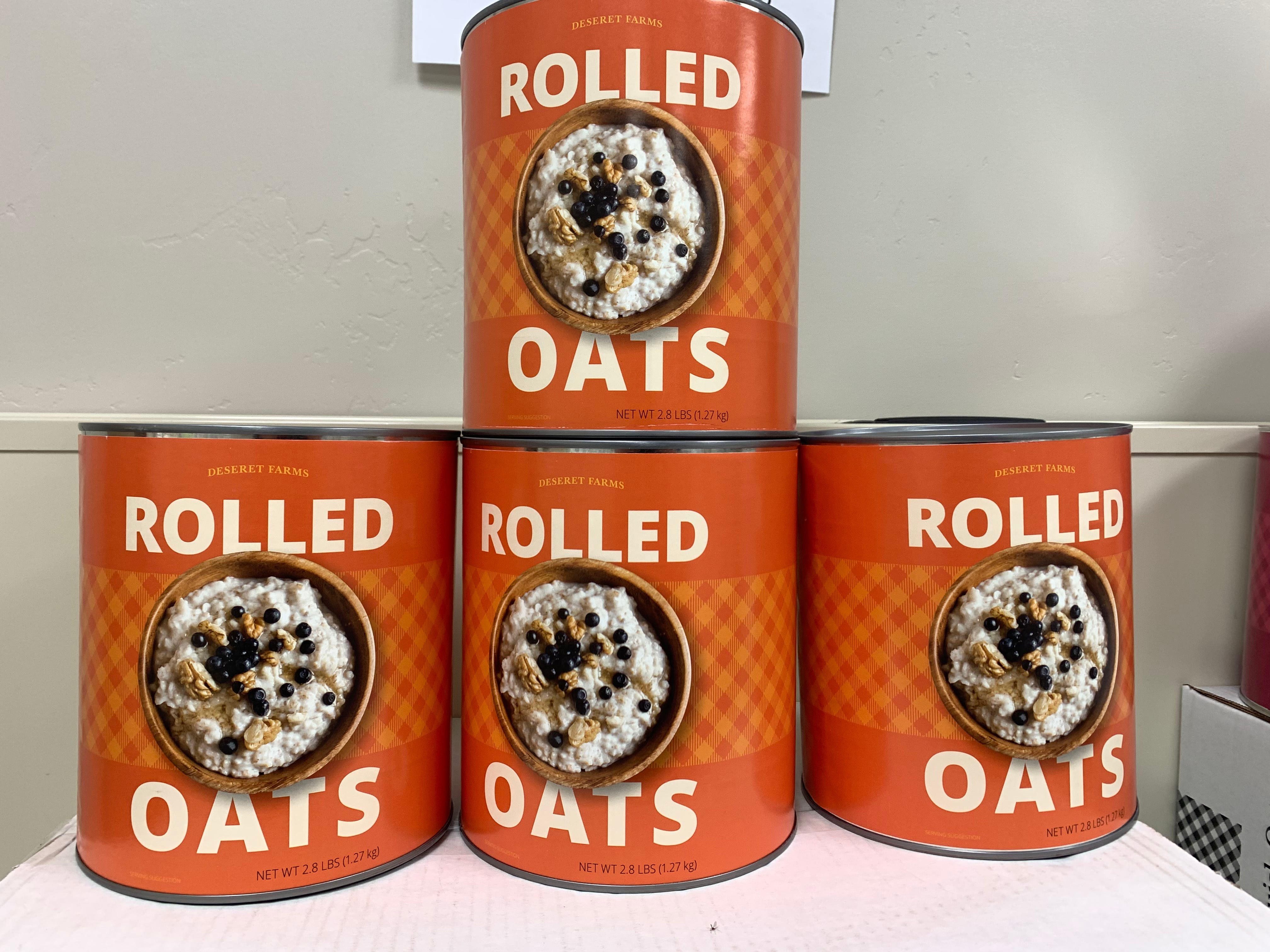
That’s why Collapse Life headed out on a short roadtrip yesterday, to the Home Storage Center operated by the Church of Jesus Christ of Latter-Day Saints. This is a service open to the public regardless of religious affiliation, to purchase food (such as wheat, dry beans, rice, etc.) already prepackaged for longer-term storage.
Sure there are other ways of putting food on the shelf, including growing and preserving your own (ideal, if doable), or ordering from a site such as Azure Standard (a brilliant company and service). However, the appeal of the LDS Home Storage Center is that everything is prepackaged, many staples in #10 cans, ready for long term storage (10-30 years in ideal conditions) with no additional resources or infrastructure needed.
The LDS tradition emphasizes preparedness because self-reliance makes it possible to be of service to others. When individuals and families have a little margin — a bit of extra food, savings, or skills — those people are less likely to become overwhelmed by temporary hardship and therefore will be better able to help others when needs arise.
The storehouse system exists not just for Church members, but as part of a broader commitment to care for communities, especially during disruptions when systems are strained and people need help quickly.
We focused on basics we already eat, and food that will store well in the long term. Future us will be so pleased that this is something we won’t have to think twice about.
There’s something grounding about doing one simple thing today that can quietly support tomorrow.
It’s part of playing a long game. And it’s all about being prepared, not scared.
NOTE: There are around 100 Home Storage Centers across the United States and Canada. Find the one nearest you using the official map. Nothing close to you? Use the online store to purchase the same items, with shipping available (though shipping charges will apply).


