

What taxis in Tehran revealed to us about the language of this war
In a conflict where words don’t land the same way, what’s actually being said?
About 20 years ago, while working in international development, the Collapse Life team had the opportunity to spend 12 months in Iran. It was one of the hardest years of our lives — and also one of the most instructive.
Among the many things we learned about ourselves (and the world) is that things aren’t always what they seem.
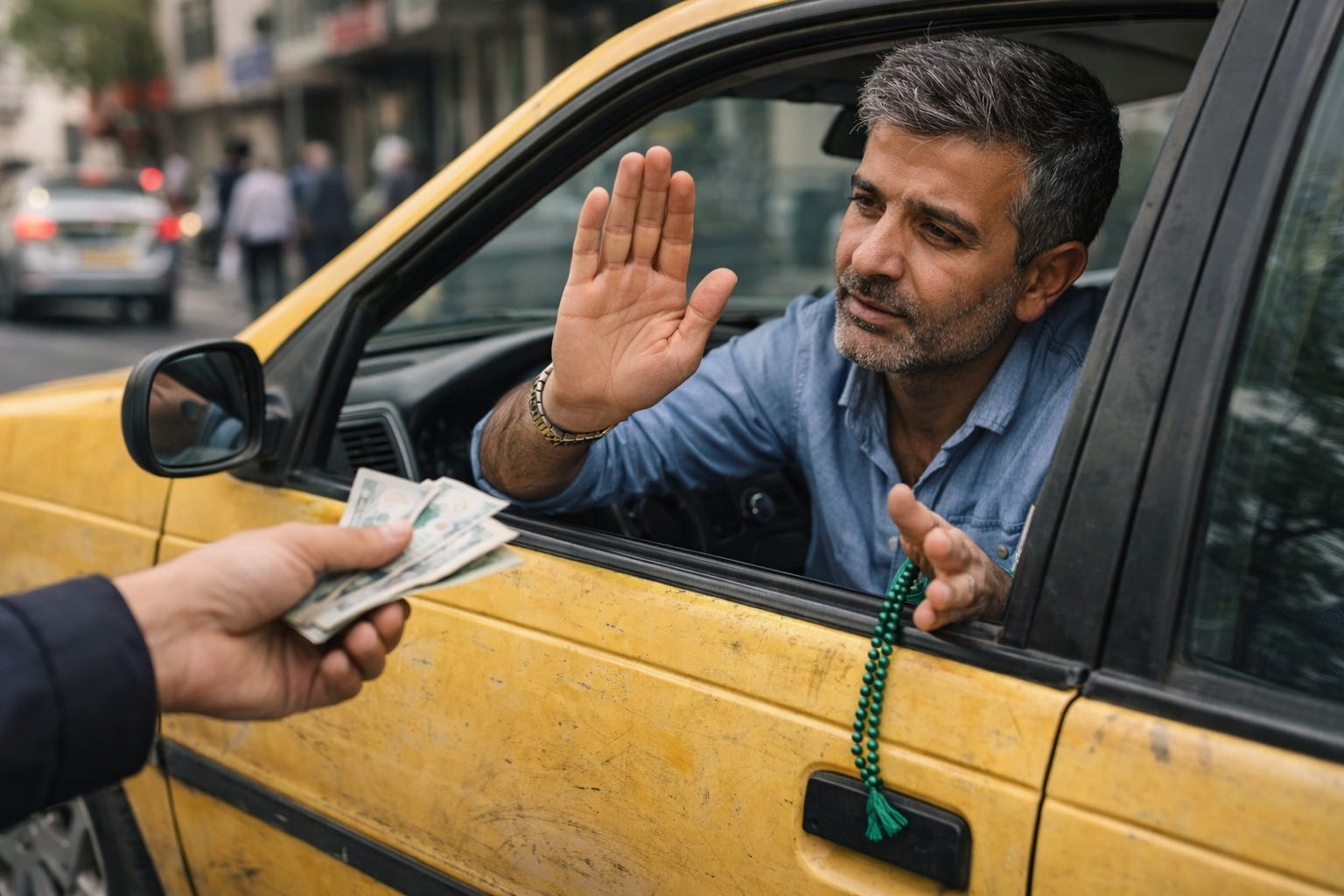
One day, early in our stay, we hailed a taxi near our apartment in the north of Tehran to take us into the center of town, about a 25-minute ride away. We chatted with the driver — him in broken English and hand gestures, us in terrible Farsi (and hand gestures). Somehow, both sides made ourselves understood, and by the time we arrived, we had slipped into that familiar illusion of temporary ‘friendship’ that so often happens when traveling.
At our destination, we asked how much we owed. Our new friend insisted he couldn’t charge us.
“Are you sure?” we asked.
“Balle,” he replied — which is Farsi for yes.
So we got out of the car and started walking to our destination.
“Wait!” he called after us, suddenly flustered. “Don’t go. You still need to pay me!”
We laughed, he smiled, and the correct fare was eventually handed over. Though confusion lingered for us.
In Persian culture, a ‘yes’ doesn’t always land where you think it does. An offer isn’t always meant to be accepted, and a refusal isn’t always final. Words are only part of the exchange. Real meaning sits somewhere underneath the words — in tone, timing, or just the right number of repetitions. (For your information, a taxi ride requires you to insist three times, “are you sure? no we must pay you,” before the fare will be accepted.)
In Iran, there’s a name for this intricate system of etiquette — ta’arof — and it governs everyday interactions in a way that can feel disorienting or even infuriating at first, especially if you come from a culture that takes language at face value.
In the Western world, we’re taught as children to say what you mean and mean what you say. If something is agreed to, it’s settled. End of story.
Not every culture treats language that way. In Iran, even something as simple as sitting in a shared taxi comes with its own quiet script, which must be acted out each ride. A man riding in the front passenger seat will turn and apologize to his fellow rear-seated passengers — “sorry my back is to you.” The response from behind comes automatically: “a flower has no back.”
The exchange is utterly saccharine, but fundamental to the operation of an ancient culture that hinges on respect, politeness, and allowing someone to always ‘save face.’ These niceties are essential to the rhythm of life, where skipping it would make people feel uncomfortable or could even be construed as aggressive.
All these memories are coming back now in a very real and relevant way, especially with regard to what are being called ‘negotiations’.
The White House says talks to end the war are moving forward. Iran’s foreign minister says there are no talks — only “messages” being passed back and forth through intermediaries. At the same time, Washington is shifting from language like “unconditional surrender” to calls for discussion, and Tehran is reading that as an admission of failure.
Two sides see the same moment and have completely different interpretations of what is happening. Everyone is speaking, but no one is quite saying the same thing.
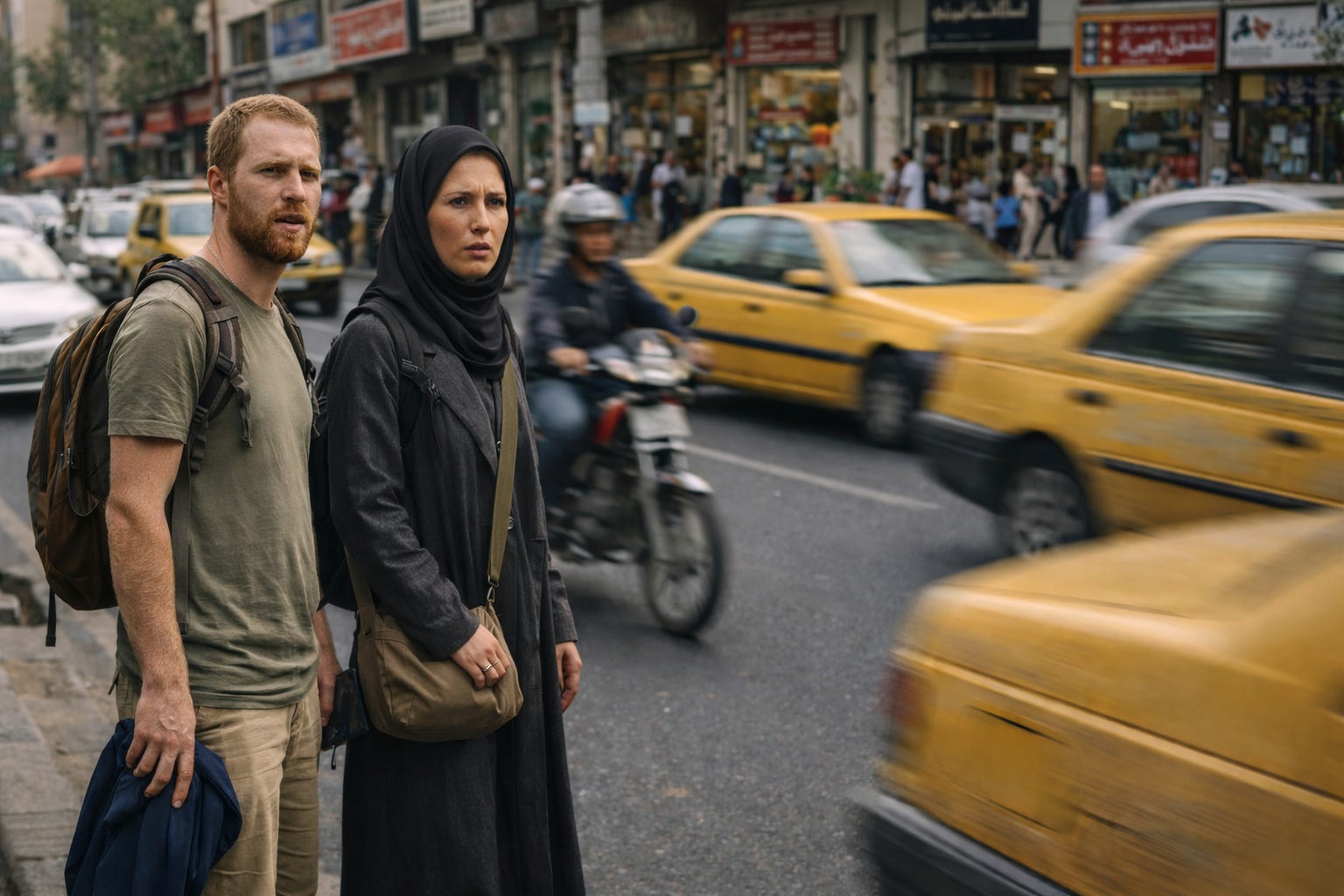
From a Western lens, this all reads like dysfunction. Or stalling. Or underhandedness. But, having lived experience from the very place in the crosshairs, this is the way things work and the reason why diplomacy is so important. It’s both an art and a science. It’s a sophisticated dance of saying something without saying anything, and conveying meaning in the spaces between sentences. Diplomacy in bad faith is a betrayal of a process that has served humanity for thousands of years and the harbinger of unfortunate perils.
All of which makes us wonder: maybe truth, in the way we expect it, isn’t what we should be scanning for. If what’s really going on, from a geopolitical perspective, is hidden in what’s implied, withheld, or contradicted, then it’s foolish for us to take words too literally. It’s foolish for us to understand what’s happening with a narrow-minded view.
What will probably shock most people — it did for us — is that having been told that Iranians hated Americans (and the West more generally), we discovered that such stereotypes were patently false. Our British, American, Canadian, and Northern European colleagues experienced incredible hospitality, kindness, respect, and admiration from almost every Iranian in almost every interaction.
So don’t believe everything you hear, and don’t assume you’re being told everything that matters.
Right now, we’re watching two systems collide. One expects clarity and closure, and another operates through ambiguity and calibration. One says what it means, while the other allows meaning to be revealed over time.
Taking either at face value means you might miss the point entirely.
That's a fascinating insight. Thanks.
Good story and insights . I remember Anthony Bourdain saying Iran was the friendliest place he had ever been too.