


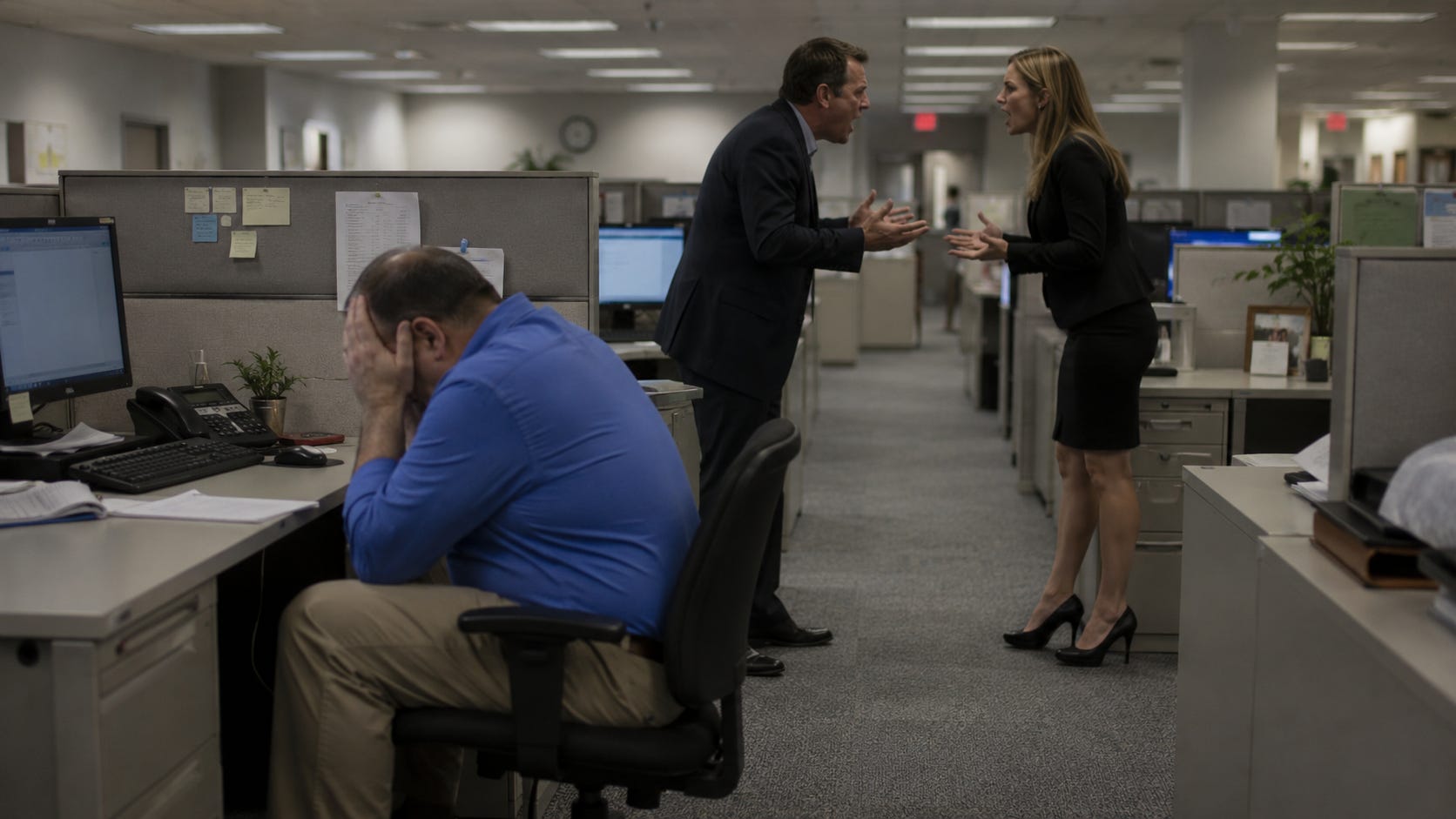
Toxic workplaces appear to be surging at precisely the moment workers have the fewest alternatives.
An industry report released in February indicated a staggering 900% year-over-year increase in the number of employees who reported unsafe, threatening, or intimidating workplaces. Other data corroborates this: roughly 75% of workers in a December 2025 iHire survey and 80% in a Monster survey described having experience with toxic work environments.
Beneath those statistics lies something deeper: workplaces are becoming psychologically harsher environments because they are losing the flexibility they once had to absorb problems.
Managers, under pressure from executives and investors to produce higher output with fewer resources, have less time and incentive to be empathetic. Employees, under pressure from the external economic insecurity they bring with them to work every day, are more defensive, territorial, exhausted, and emotionally volatile than ever before.
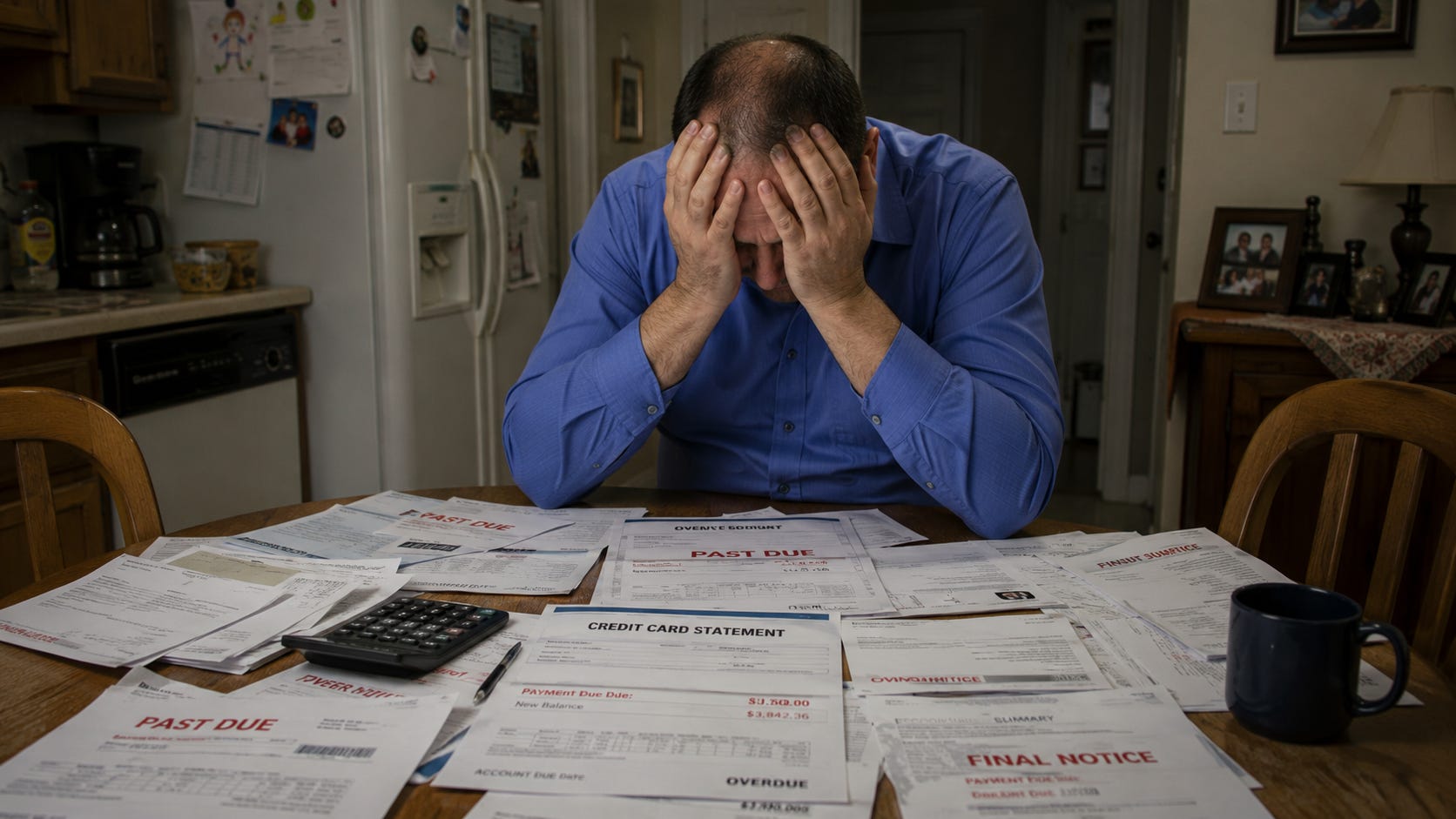
In the past, workers could escape a bad workplace by leaving. As recently as the early days of the COVID pandemic, millions did exactly that, leading to what has now been dubbed the Great Resignation.
But just a few years later, labor markets have weakened, competition for jobs has intensified, stimulus checks have dried up, and workers have lost that freedom and mobility.
Toxicity is now harder to flee.
Once people begin feeling trapped inside systems they no longer trust, the psychological effects rarely remain confined to the workplace. That may explain why public civility is tanking, air rage is spiking, restaurant tipping is abominable, and a majority of retail staff say they regularly face verbal abuse and direct threats at work.
That’s how societal contraction first becomes visible in everyday life, as we indicated in our guide, The Collapse Clock: 7 Signs Trouble Is Brewing (available to paid subscribers).

When people no longer believe they can safely exit dysfunctional systems, resentment accumulates, cooperation declines, passive aggression spreads, and workers disengage emotionally.
People think collapse begins with visible ruin, but more often, it begins with the slow deterioration of institutional relationships and a growing realization that the system is no longer designed for human flourishing, but for extraction and maintenance.
The office is one of the first places where people feel that transition intimately because it sits directly at the intersection of economics, hierarchy, identity, and survival.
And perhaps most revealingly, many people now remain inside openly unhealthy environments not because they believe in them, but because they fear the instability outside them even more.
In a healthy system, a dysfunctional institution flounders and eventually dies because there’s choice in the marketplace — healthy work environments attract competency from organizations without healthy workplace cultures. In a system devoid of choice, dysfunction accumulates and compounds leading to quiet quitting, potential sabotage, and even deep resentment. In the absence of a departure option, imprisonment takes a genuine mental toll.
That may be why survey respondents feel toxic workplaces are ubiquitous and unescapable. The details of actual hostility matter, but the deeper warning sign is the inevitable reality there’s nowhere else to go.

Makes me wonder if the disintegration of the workplace environment is not the result of the overall disintegration of societal norms... the crazes are getting crazier... and there's becoming more of them... this appears to be the trend not just in the workplace, but where the workplace is nothing more than one indicator of society as a whole... and that trend is being expressed across the entire social spectrum.
The bottom rung of society knows this feeling of being trapped. Welcome to the real world. I don’t see it getting any better…