

Notes from the edge of civilization: June 28, 2026
In India, factory workers are training robots; the UK is criminalizing clean-ups; and Australia is paving the way for all of us to 'show our papers' online.
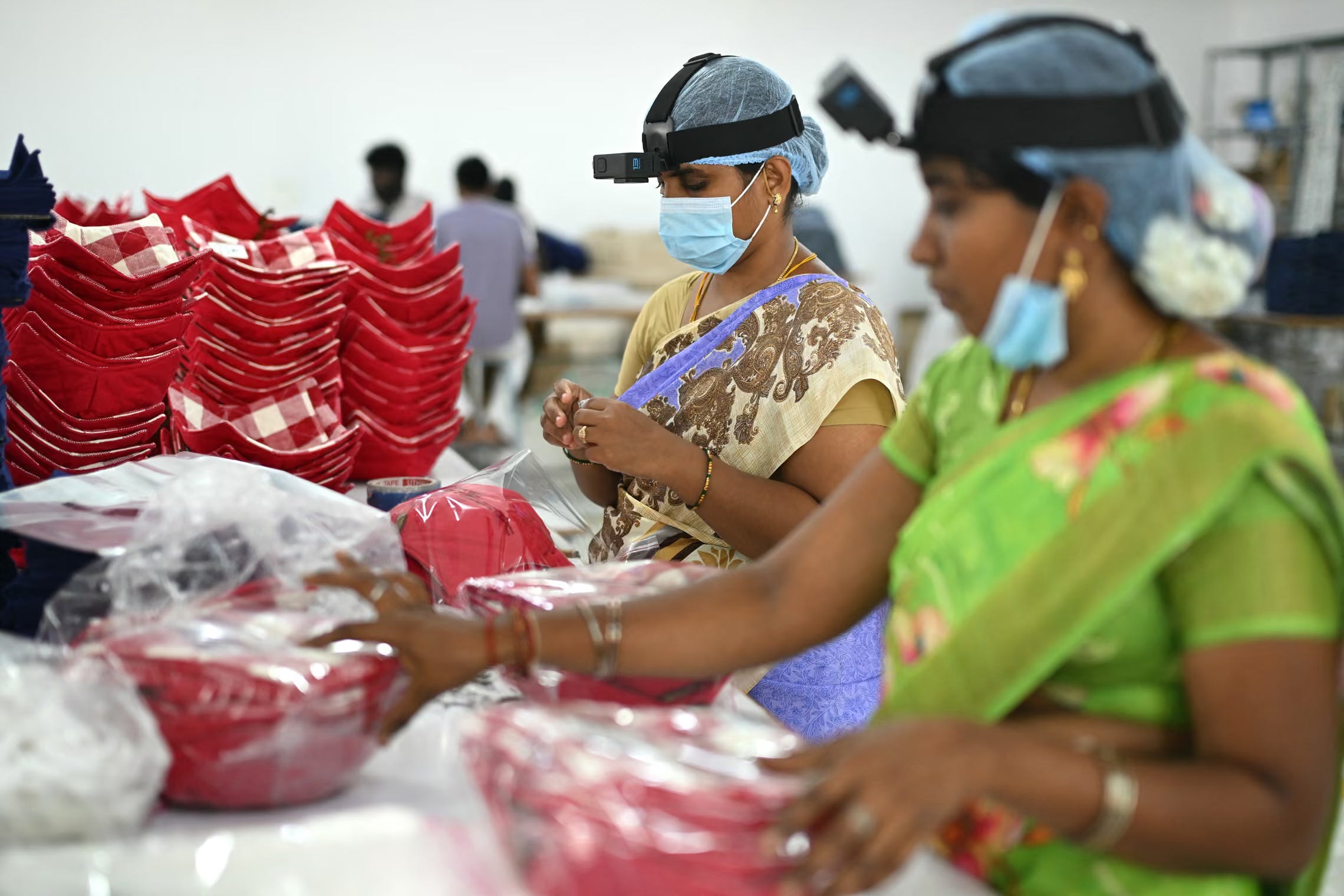
A new report from The Guardian describes factory workers in India being asked to wear head-mounted cameras while they sew garments, fold towels, build, sort, and perform other physical tasks. At first, some workers found the setup funny; that is until they realized they were producing training data, known as ‘egocentric data’, for the robots who would eventually replace them.
Large language models like Chat GPT and Grok were trained on huge volumes of text scraped from across the internet. But humanoid robots like the ones Elon Musk is developing need data that teaches them how to move through the real world. And increasingly that data is coming from human laborers doing repetitive, precise, underpaid work. A few weeks ago, we told you about a company called Shift that offers free apartment cleaning to New Yorkers who allow human cleaners to wear cameras while they work. The pitch: “You get a spotless apartment. We get training data.”
But just like with everything else, there’s a way to cut costs by offshoring the work. So instead of workers in New York gathering data in exchange for free housecleaning, increasingly the data is coming from garment factories, construction sites, warehouses, and informal labor markets in India, where workers already earn just a few dollars a day. Now their movements are becoming a valuable digital asset for companies racing to automate industrial work, and they get nothing in return except maybe a soft drink once in a while.
This is the next stage of the AI economy: not just stealing words, images, music, and creative work, but extracting human movement. And then eventually, humanity itself.
At any rate, the worker sells their labor once, then the recording of that labor gets cleaned, annotated, packaged, licensed, resold, and used to build systems that may eventually make the worker unnecessary. It’s the cycle of life, right?
The quote that says it all comes from Lalita, one of the garment workers profiled in The Guardian story: “We are not even getting our full worth for the work we do now. Who is going to pay us when we are replaced by robots?”
Bingo!
Here’s a good question an X user recently asked: Can’t the UK stop being an insufferable c*nt for 5 seconds?

You may think this post is perhaps too profane, but we dare you to hold to that claim after you’ve read about the situation that prompted the expletive in the first place.
Paul Powlesland, a British barrister and environmental campaigner, helped organize a volunteer cleanup of Aldersbrook, a tributary of the River Roding, which runs through Essex and the suburbs of Greater London.
He and his crew reportedly removed around 200 bags of rubbish, branches, weeds and silt over 10 days from a waterway already plagued by illegal dumping and sewage discharges.

Then came the bureaucrats: the Environment Agency investigated whether the cleanup itself was illegal because Powlesland had done it without the proper permit.
To be fair, river work is not always simple. Dredging, flood risk, waste left on floodplains, and disturbance of habitats can create real problems. Not every well-meaning person with a shovel is automatically a hero. But that’s also not the whole story.
The absurdity is the asymmetry. Major pollution, sewage discharges, and illegal dumping can carry on with seeming impunity, but a group of volunteers with bags and boots are a sudden reminder to the state that it has rules that must be obeyed. It’s a lot easier for the system to go after citizens who act, than institutions that don’t.
This story resonated with enough people that, after it came to the public’s attention the agency dropped the charges. The machine certainly can move quickly when it has egg on its face, can’t it?
Powlesland is now asking for a meeting with the chief executive of the Environment Agency to request them to redirect their energy away from punishing river volunteers and toward two constructive goals: forcing Thames Water to produce a serious, near-term plan to stop illegal sewage discharges, and turning the River Roding case into a model for how regulators can work with grassroots river guardians instead of treating them as the problem.
Bravo, Mr. Powlesland!

In December, Australia introduced new regulations requiring age-restricted platforms to take “reasonable steps” to stop Australians under age 16 from creating or keeping accounts.
Awkwardly, the ban doesn’t appear to be working very well. While the government reports that more than 5 million under-16 accounts have been deactivated or restricted, a recent study found that 85% of Australians aged 12 to 15 were still using social media months after the ban began, often by self-declaring an older age or passing weak selfie checks.
Importantly, children and parents are not penalized; the legal burden sits with platforms like Facebook, Instagram, Snapchat, Threads, TikTok, Twitch, X, YouTube, Kick and Reddit.
This weekend, the government said it will double the maximum penalty for breaches to A$99 million (about US$68 million), while giving the eSafety Commissioner stronger powers to force platforms to provide evidence of what they are actually doing to comply. The government says investigations are already underway into alleged non-compliance by Facebook, Instagram, Snapchat, TikTok and YouTube.
Opposition to the social media ban has always centered around the fact that child safety is the perfect Trojan horse for policing everyone else. And now that real-life evidence is proving that self-declaration, selfies, and parental permission are useless, there’s only one thing left: identity verification at scale.
That’s precisely where this story stops being about teenagers and starts being about the architecture of online life. Today it is under-16s on TikTok, but tomorrow it’s “misinformation,” “harmful content,” “extremism,” “public health,” “financial scams,” or whatever fresh emergency requires adults to show their papers before speaking, reading, watching, posting, or dissenting.
Big Tech created the addiction machine. Government now offers to fix it by building the permission machine.

Sorry about ya India, but one deserves what one puts up with...
What is it about the UK and their past penal colony down under... One would think that the generational progeny of those that rebelled against the totalitarian edicts of a dictatorial state would follow the same path of rebellion... As a significant counter-example to that theory, Australia, it appears, is well on it's way to becoming substantially more of a raging bitch-ass tyrant against its own people than its progenitor.
https://www.facebook.com/share/p/19Dq6k979D/?mibextid=WC7FNe