

Notes from the edge of civilization: May 31, 2026
A use case for useless eaters; Washington State's control grid playbook; and a White House video is the final frontier of political messaging (or is it trolling?).

Silicon Valley’s pitch used to be that AI would free us from boring, repetitive work, giving us more time to spend on creative and productive endeavors. The reality, of course, was always something else.
But there’s a new pitch in town!
Please perform boring, intimate, domestic, physical, emotional, and creative tasks so we can record them, learn from them, automate them, meter them, and sell them back to you on a monthly subscription basis.
Turns out we’re not completely useless eaters after all. They’ve found a use for us… at least for now.
At BlackRock’s 2026 Infrastructure Summit in March of this year, Sam Altman described a future where intelligence is sold like electricity or water, metered by usage, with compute capacity determining access and price.

That’s the top of the pyramid: intelligence as infrastructure. But underneath, the raw material still has to come from people — their homes, bodies, habits, preferences, gestures, labor, and awkward little private rituals. It’s the digital equivalent of Soylent Green — AI, it’s made out of people!
To understand what we mean, have a look at the following examples:
A company called Joi AI is reportedly hiring ten “masturbation consultants” who will get paid $2,000 a month to test AI-guided sexual wellness sessions and report the effects on their stress, sleep, mood, and confidence.
A company called Shift is offering free apartment cleaning to New Yorkers who allow human cleaners to wear cameras while they work, generating footage to train household robots. The company’s own site says the deal plainly: “You get a spotless apartment. We get training data.”
A company called SPAN is letting you host a mini-data center inside your house in exchange for subsidized electricity, internet, and backup power.
You get convenience, cash, or lower bills; they get data, behavioral mapping, embodied instruction, and another chunk of human life converted into machine-readable form.
The first step to being replaced, apparently, is being paid to document yourself into obsolescence. Do not comply.
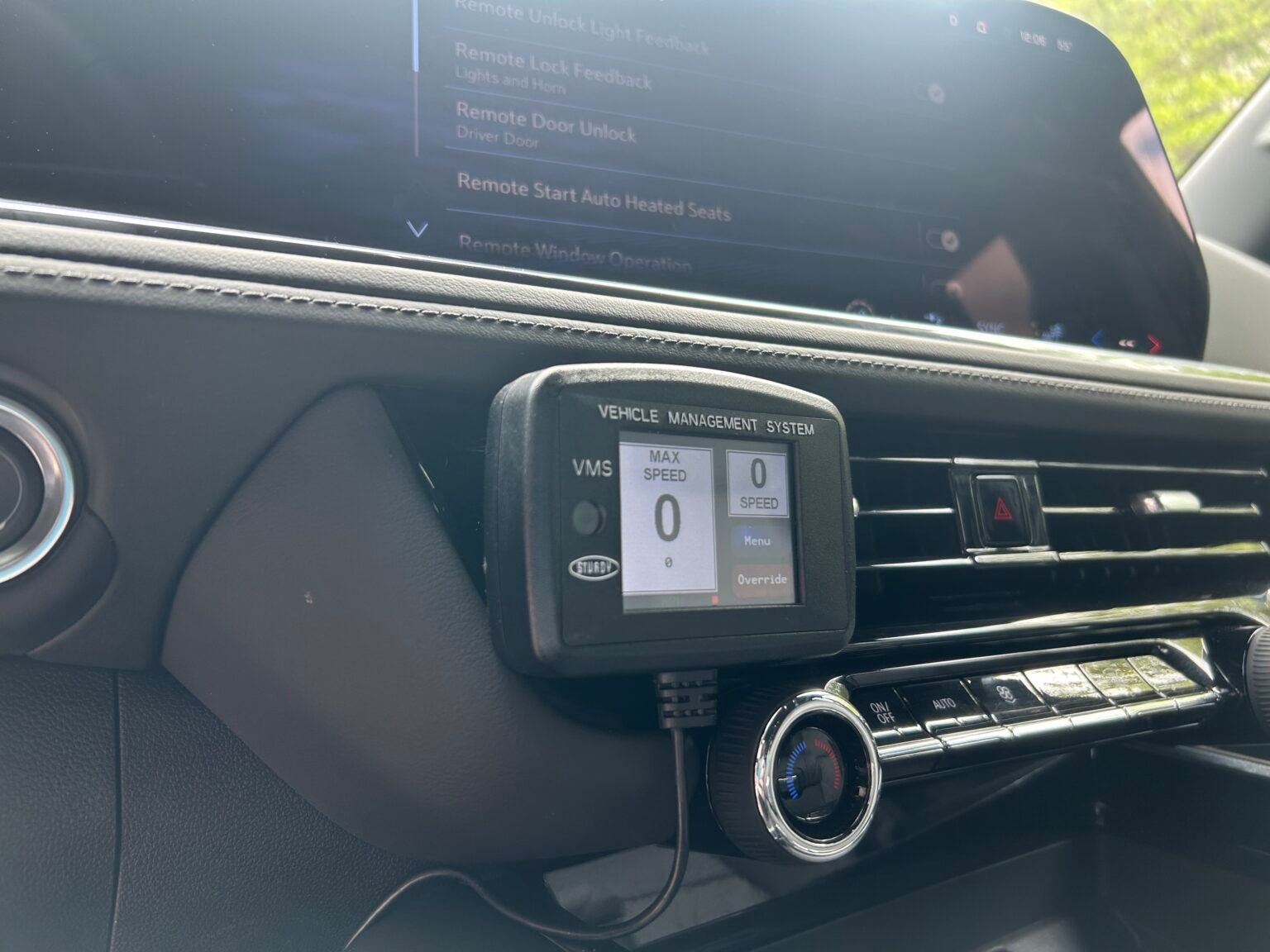
Washington State just unwittingly gave us a peek into how the control grid expands. The state passed House Bill 1596, also known as the BEAM Act, which will come into effect on January 1, 2029.
Under the new law, repeat reckless speeders will be required to install GPS-based “intelligent speed assistance” devices before they can regain limited driving privileges. The law was passed in response to a devastating 2024 crash that killed a woman and three children — the kind of tragedy no civilized person would easily shrug off.
But as usual, the question is not whether we should do something about reckless drivers. That answer is obvious. The question is what kind of infrastructure do we need to build in the name of stopping them?
The BEAM act demonstrates how this rolls out: a horrific tragedy creates a moral opening; a seemingly reasonable fix follows; the machinery is installed, in this case GPS monitoring, monthly override limits, state-approved installers, monthly fees, tampering penalties, and a vehicle that now decides whether you are allowed to exceed a programmed threshold.
It all seems to make sense and all appears reasonable, right? We must do something about dangerous repeat speeders.
Once the infrastructure is there, however, who says it won’t be applied to address unpaid parking fines, or carbon overuse, or people with high credit card debt… or whatever new ‘social emergency’ requires just a little bit more control.
The slippery-slope concern is, to be fair, an inference and not something the law explicitly states. But so was the idea of getting a jab not too long ago — it was a simple enough instruction, until those who wanted to exercise bodily autonomy didn’t comply. Then the claws came out — vax passports, quarantine camps… you remember.
For now, the idea of GPS-based vehicle restriction tied to legal permission to drive is very much real. More of it is to come.

Of all the wild things to come out of what might be the wildest White House in history, Thursday’s X post takes the gold medal.
It’s click bait at its finest, enticing the viewer with the promise of revelations about extraterrestrials and bringing them directly into something… quite different. Official government communication has now apparently wrapped immigration enforcement, meme warfare, UFO cosplay, and gay disco anthems into a radioactive little propaganda burrito. Watch (above) to see what we mean — it’s only 11 seconds long, but packs a spicy punch.
Here’s the gist: “YMCA” plays beside what appears to be the US side of the border wall (inferred) while a UFO abducts a hoodie-wearing figure and deposits him on the other side. Click to Aliens.gov and you’ll see an “Alien Arrest Map,” and an ICE tip line for reporting “suspicious aliens.” Apparently the government spent decades denying UFOs only to reveal the real extraterrestrial threat was your landscaper.
The weird part isn’t the administration’s hardline immigration enforcement; that’s totally on-brand. The weird part is how they’re communicating like an intern with a Canva subscription and a Village People obsession.
Mark your calendars for two exclusive events!
Starting in one hour, a FREE live chat with legendary lunatic farmer Joel Salatin, on food, regulation, ethics, farming, and the uncomfortable question sitting beneath much of modern life: what happens when legality and morality begin to drift apart?
And another reason to become a paid subscriber: on Wednesday, June 10, Collapse Life members are invited to an exclusive private session with Peter Grandich — the original “Whiz Kid of Wall Street.” A rare opportunity to ask questions directly, exchange ideas, and hear candid perspectives from someone who has spent a lifetime navigating cycles of boom, panic, and collapse.
They have had the car monitoring stuff for a long time with breathalyzer interlocks, insurance companies offering discounts to "good drivers", tracking rental cars, providing location monitoring for lienholders, and and fleet monitoring for for commercial vehicles. It is a huge money grab. They charge people for the monitoring, charge for the equipment, and use it as grounds to profile people.
Who gets the state contracts to provide the service? Who gets to set the monopoly pricing for "approved vendors"? Who gets to decide what criteria that they set for continuing the privileges? How do you determine who is at the wheel? What kind of appeal process do they intend?
I knew someone who had to do the interlock thing for driving. They had a really high monthly monitoring fee.
I believe the motivation is more of a cash grab using public safety as a pretense. Not just for the expenses for the monitoring. They get to build a whole new bureaucracy structure of plum administration positions to have control over aside from the people who are actually checking up on the monitoring.