

Notes from the edge of civilization: June 21, 2026
Iran as infrastructure; Britain's dystopia; celebrating Dads.

If you read one piece this week, make it this analysis from Patrick Wood. It helps explain why so many people may be missing the main thrust of what’s been happening in Iran.

Wood argues that the Iran settlement deal was never really about military victory. He frames it instead as economic reintegration: Iran being wired back into the global economy through trade, capital, banking, transport corridors, and a reported $300 billion private investment vehicle. If it doesn’t feel like Iran has been “defeated,” that may be because the point was to onboard, not conquer. Or, conquer in a different way, as it were.
The key detail is hiding in plain sight. The people who shaped the deal are not traditional diplomats. Steve Witkoff and Jared Kushner are real estate and finance men fluent in development deals, Gulf capital, and infrastructure logic. The result, Wood argues, reads less like a peace treaty and more like a blueprint for regional redevelopment.
That’s the unnerving part. The public was told to look for victory on the battlefield. But the real prize may have been the map: Hormuz, energy routes, the International North-South Transport Corridor, the Abraham Accords, and the broader project of turning adversaries into counterparties.
So think again when you hear talking heads tell you Iran has been contained. It may have been converted from a hostile gap in the global grid into an investable node. It’s a classic example of how technocracy moves: through corridors, capital, dependency, and control.
If Wood’s theory is correct, we expect to see other ‘pariah’ states move into the crosshairs for integration and ‘investment.’ (We’re looking at you, North Korea!)
Australian commentator and observer, Michael Ginsburg, who joined us a few months ago to talk about predictive programming, says episode 3 of Years and Years is now being acted out in real life.
He may be onto something — though not necessarily in the literal, scene-by-scene sense.
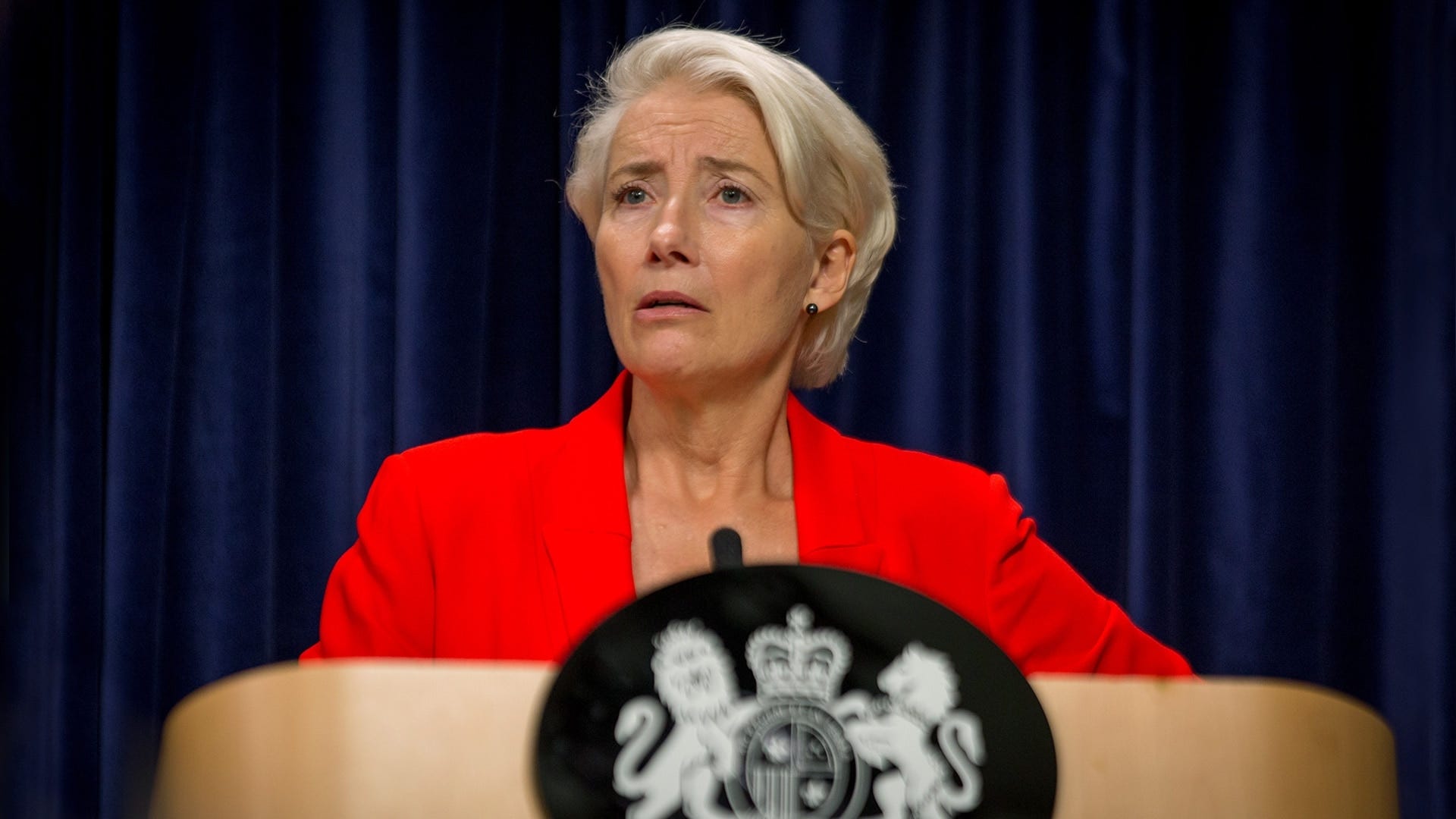
In the mini-series, Britain is buckling under institutional failure, economic stress, political exhaustion, and public rage. Into that vacuum steps Vivienne Rook, a media-savvy outsider who turns taboo-breaking into political power. She rises to leadership because the system has lost legitimacy and the voting public craves change.
That’s the most useful comparison. Right now, Britain looks politically combustible. Keir Starmer appears unable to survive the week as Prime Minister. Andy Burnham is being talked up as Labour’s rescue figure. Reform is trying to hold together a populist-right coalition. Rupert Lowe and Restore are pressuring Reform from further out on the nationalist right. The center is collapsing because too many people have stopped believing it represents them.

Ginsburg’s specific prediction is bold: Farage steps aside, Lowe returns, Reform absorbs Restore-style policies, and Britain ends up with a nationalist Reform government that looks eerily like the “Four Star Party” arc in Years and Years.
Perhaps. What’s most disturbing however, is that the conditions no longer feel fictional. You don’t need Hollywood scriptwriters to notice the pattern: collapsing trust, managed decline, migration panic, economic insecurity, elite contempt, media hysteria, and a public increasingly willing to reward anyone who sounds like they are finally saying something true.
That may be the real warning of Years and Years. Dystopian fiction isn’t writing the future… it’s just noticing where society is heading before most people are ready to admit it.
Today is not only the summer solstice — marking the start of summer and the longest day of the year — but it’s also Father’s Day. To all you fathers and father figures out there, thanks for everything you do.
No matter how tight the economic times are, apparently even the most squeezed consumers can still find change under the cushions for Dad.
The National Retail Federation expects Father’s Day spending to hit a record $27.9 billion this year, up about 16% from last year. The average person is expected to spend $227, with outings, clothing, and greeting cards leading the way.
Around the country, businesses are piling on discounts to keep the ritual moving: free sandwiches, cheap ribs, discounted bagels, app-only tacos, half-price drinks, and enough promo codes to make fatherhood feel like a frequent flyer program perk.
In a year when everything feels more expensive, and in the context of more money being spent by folks unable to afford it, a cynic might point out this day is working just as its creators planned. Only this year, the discount codes are working overtime.
“So think again when you hear talking heads tell you Iran has been contained. It may have been converted from a hostile gap in the global grid into an investable node. It’s a classic example of how technocracy moves: through corridors, capital, dependency, and control.”
…
“Technocracy” is as old as written language. Iran’s 2026 “containment” is a geopolitics as old as imperialism.
Let me suggest here that what we’re witnessing is the transfer of power from the dying, traitorous, & commie British Crown to a new USA-centered Pax Americana, version 2.0.
Everyone needs to read every word in this post. Every word.
https://thiswillhold.substack.com/p/how-a-last-minute-change-to-election?utm_source=substack&utm_medium=email#media-405090c0-de08-471e-b965-93b6d6ab9d9e