

A society that no longer believes in the future starts betting on it
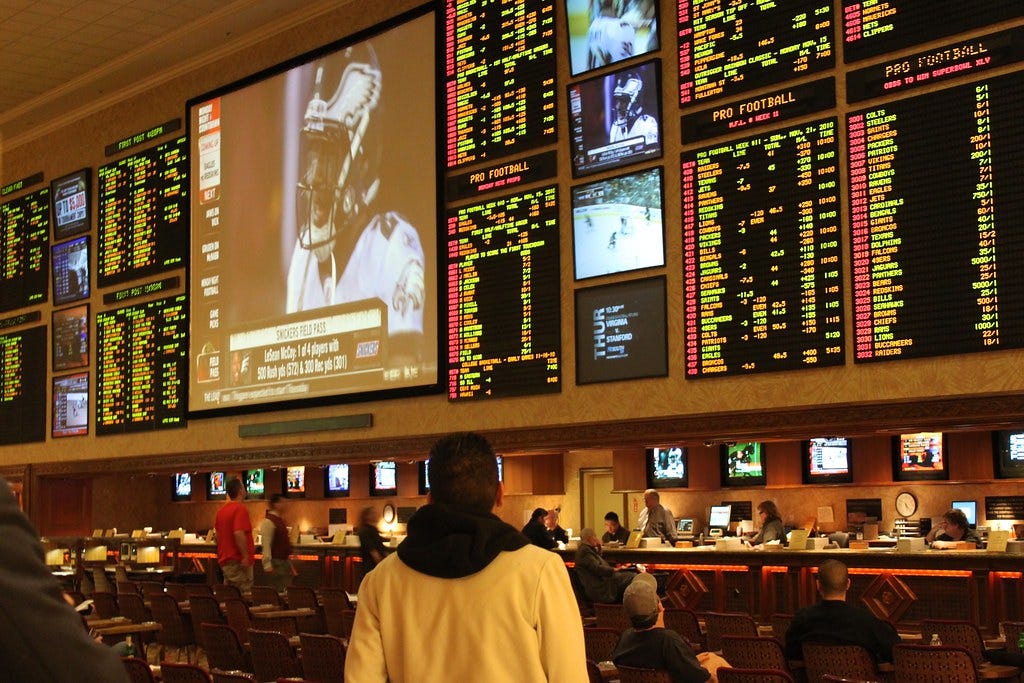
From sports betting and online casinos to prediction markets and meme stocks, gambling is no longer just an industry. It is becoming the American way of life.
Post by Zahra Sethna
In May, the American Gaming Association released its annual State of the States report, which revealed the US had set a new record: in 2025, legal commercial casinos, regulated sports betting, and online casino gaming generated over $78 billion in gross revenue, up 9% from the year before.
And that’s just the official casino economy, which captures only one regulated slice of a much larger betting landscape.
It does not include tribal gaming, lotteries, offshore gambling, or sweepstakes casinos. It does not include crypto speculation, meme stocks, day trading, or the everyday financial gambling that now passes for economic opportunity. It also does not include prediction markets, where Kalshi and Polymarket alone topped $40 billion in combined trading volume in 2025.
Americans have always gambled. That’s nothing new. But now, more and more of American life seems to run on the logic of gambling.
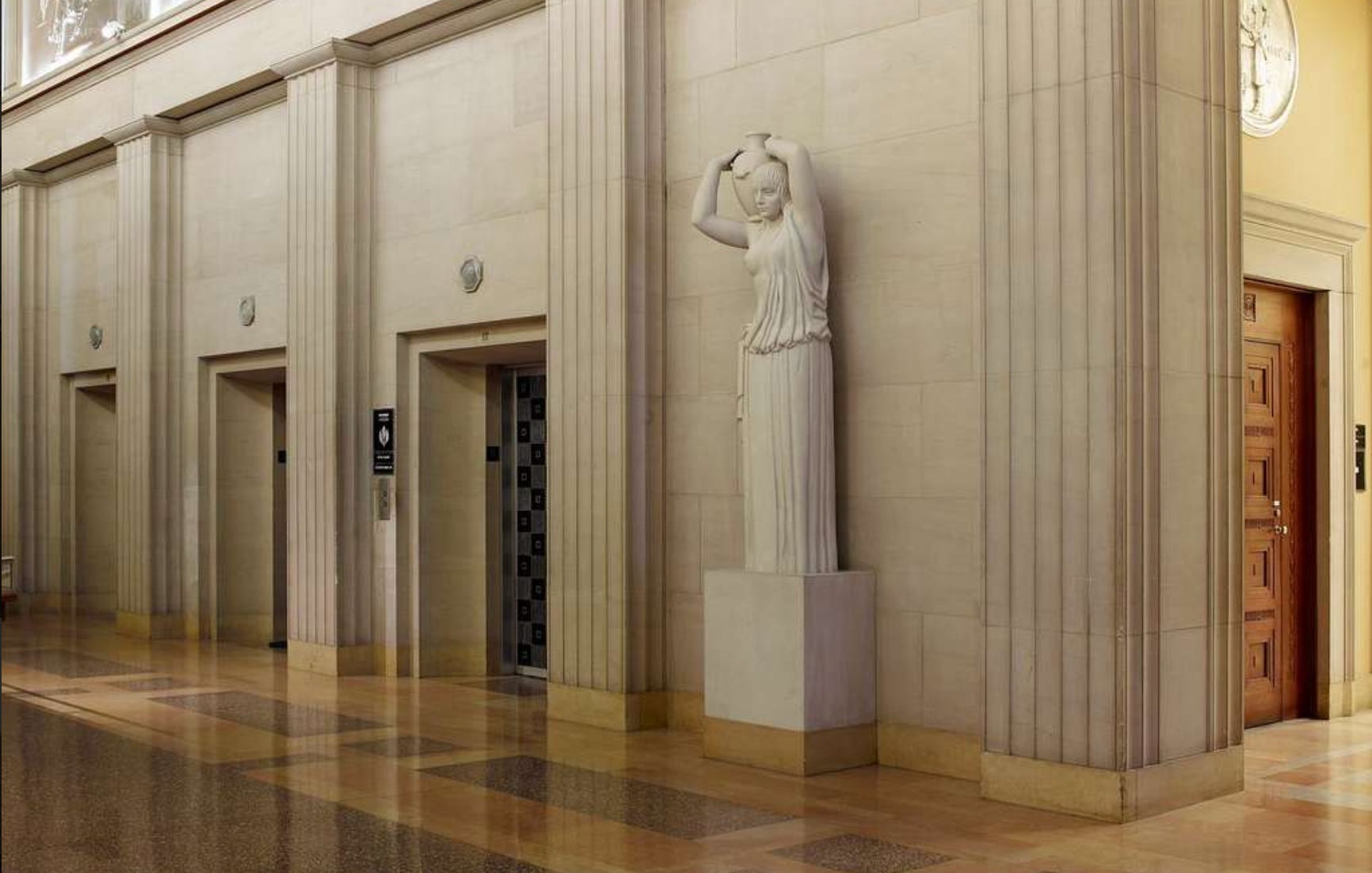
When my brother was in college in the 1980s, he interned for a senator on Capitol Hill. One of the things I remember him saying is that the place was crawling with adrenaline junkies. People moved fast, talked fast, and lived on caffeine, gossip, and risk (probably a little cocaine, too). They were so conditioned to turn everything into a contest that they would bet on which elevator would arrive in the lobby first.
That memory has stayed with me because it says more than it should.
Many people at the bottom of society gamble because they feel they have no future. Many people at the top of society gamble because they don’t have to live with the consequences. Somewhere in between, the rest of us have been handed a phone app and invited to join the game.
As financial planner Hanna Horvath, author of Your Brain on Money, recently told me: “When we’re in a financially precarious time, which I think a lot of people feel we are right now, you’re more likely to make risky decisions because, if you feel like the old playbook isn’t working you’re gonna take that big risk. If you’re out drowning in the ocean, you’re gonna grab onto anything that looks like a life raft.”
Sports betting, crypto speculation, meme stocks, prediction markets, lottery apps, day trading, online casinos, even the gamified churn of social media all run on some of the same psychological machinery. Anticipation, reward, loss, recovery. The next hit. One more chance. Try again.
Peter Grandich, who will be joining Collapse Life for a series of exclusive paid subscriber sessions beginning next Wednesday, recently wrote that gambling and speculation are now serious enough societal and economic issues that they may soon elbow their way onto his list of the top ten challenges facing America.
That may sound dramatic until you look around and realize how much of modern life mimics a casino, with the underlying logic migrating into everything. The financial message increasingly sounds like this: Don’t save and put money aside, just chase the upside. Don’t build something patiently and with diligence, just time the market. Don’t work toward stability, just find the next GameStop, Dogecoin, or political outcome. Everyone is looking for their miracle exit from an economy that increasingly feels impossible to navigate otherwise.

When people believe work will be rewarded, they will work. When life demonstrates to them that saving matters, they save. When they see institutions as basically fair, they may grumble, but they’ll still participate. But when housing is out of reach, debt is normalized, wages feel inadequate to support what used to be considered a normal life, politics is theater, and the future looks like a trap, speculation starts to feel like one of the last available forms of agency.
That’s how nihilism ends up at the core of the gambling economy.
Society is basically telling people, ‘You might not be able to build your way out, but you just might be able to win your way out.’
“Our brains didn’t evolve in a world of guaranteed paychecks and retirement accounts, but rather in environments where uncertainty was the norm and survival often depended on making a risky bet,” explains Professor Michael L. Platt, a neuroscientist at the University of Pennsylvania. “When you’re in trouble, a long shot might be the only shot you have.”
The undeniable danger is that gambling reinforces living for the moment and chasing a payout. It replaces patience with stimulation, prudence with appetite, and responsibility with the fantasy that one lucky break will mean a penthouse in South Beach and a Lamborghini in the driveway.
That’s why this topic belongs in a serious conversation about the economy.
A gambling society is not just a society with too many casinos. It is a society that no longer believes the normal rules for life lead anywhere worth going… and this appears to be where we are in America.
I've often said if I had enough money to gamble, I wouldn't need to gamble. I've heard others say that a rise in the number of casinos is often an indication of looming economic collapse. Seems to be the case.
The “Hail Mary” economy will escalate as job losses & inflation (stagflation +) continue on their self inflicted trajectory. A special thanks to congress and their handlers for the childish fiscal irresponsibility for 45* years and a kudos to Nero* and his crew of 🚌 sociopaths.
*Clinton was the only potus to largely maintain a balanced budget perhaps he had “better”things to do w his time.