

When the lights come on, they run for the exits
Attendees of Dialog, the elite retreat we told you about a few weeks ago, are now disavowing Peter Thiel and organizers are blaming the people who discovered their exposed files.
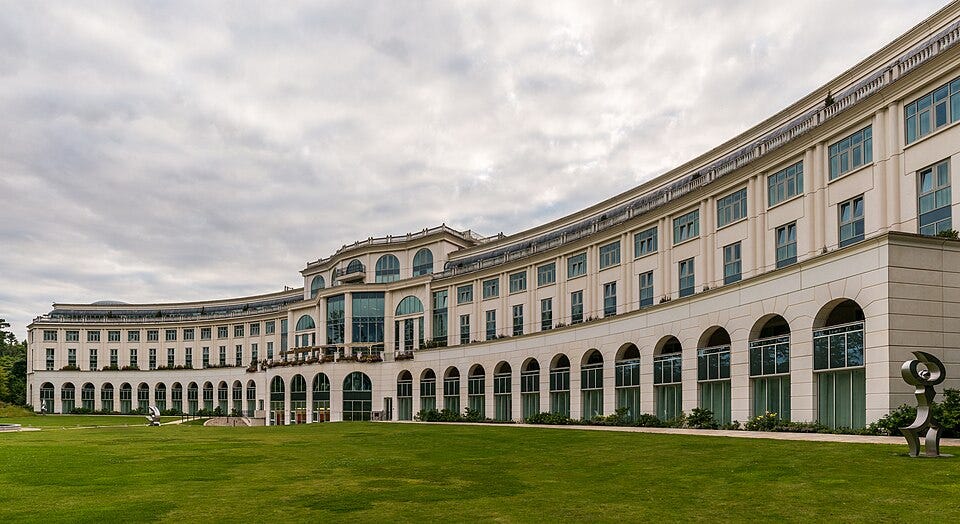
A few weeks ago, leaked records offered a rare look inside Dialog, the invitation-only network cofounded by Peter Thiel that brings together political officials, military leaders, technology executives, investors, intellectuals, and celebrities for off-the-record conversations.

The records appeared to show 222 people were registered to attend this year’s retreat, scheduled for August 12-16 at the five-star Powerscourt Hotel in Ireland’s County Wicklow.
The gathering has now been called off.
After weeks of media scrutiny, political criticism, and plans for public protests, the hotel confirmed that the August event would no longer take place there. Once the identity of the group, its guest list, and its agenda became public, opposition politicians and pro-Palestinian campaigners in Ireland began to demand that the event be cancelled completely.
Sinn Féin lawmaker John Brady argued that Dialog should not be permitted to relocate elsewhere in Ireland, citing Thiel’s role as a co-founder of Palantir and the defense company’s support for the Israeli military.
“The Government should make it crystal clear that Ireland is not a venue for events connected to those profiting from the genocide in Gaza,” he said, while calling for officials to disclose whether any ministers or state agencies had been involved in planning the event.
Dialog had operated for two decades without generating this kind of resistance in the past, largely because most people did not know what it was, who would be there, and where it was meeting. Once those details became public, the venue faced reputational pressure, politicians faced questions, and participants faced demands to explain themselves.
Even before the hotel pulled out, the people associated with Dialog had already begun running for the exits.
New York Times columnist Ezra Klein acknowledged attending twice, but emphasized that he had never encountered Peter Thiel there. Klein described the 2018 gathering as optimistic and idealistic, but said that by 2022 the atmosphere had become more “curdled and resentful.”
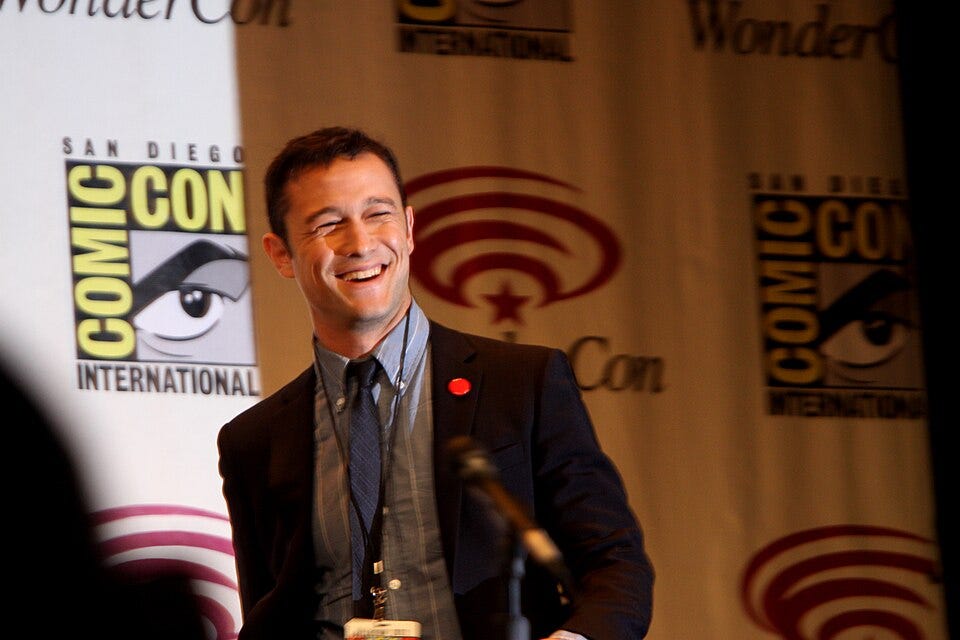
Actor Joseph Gordon-Levitt also confirmed attending two past conferences, while stressing that he had also never met Thiel and regarded him as a political and ideological opposite. Actress Sophia Bush said she was a past attendee but that Thiel was someone “you could not pay me to be in a room with.” Irish Senator Lynn Ruane, who had accepted an invitation to the August gathering, withdrew and publicly apologized for failing to conduct adequate due diligence.
When participation was private, access to Dialog was valuable to its participants, offering proximity to power, introductions to influential people, and conversations unavailable to the general public. Once participation became public, the same access suddenly required backpedaling, PR spin, and careful explanation.
Rather than taking responsibility for having systems that exposed highly sensitive information, Dialog stated that it had been attacked by a “well-known criminal,” in reference to the anonymous Swiss hacker who disclosed the information. Its lawyers demanded that Wired, one of the publications which published the leaked information, surrender what they called “stolen” data.
Wired and outside cybersecurity experts found no evidence that anyone had broken through a protected system. According to their analysis, Dialog’s website loaded the records into visitors’ browsers after they entered an email address, without even requiring a password. The information was not sitting behind sophisticated security defeated by an elite hacker. It had effectively been left in public view by Dialog’s own lax configuration.
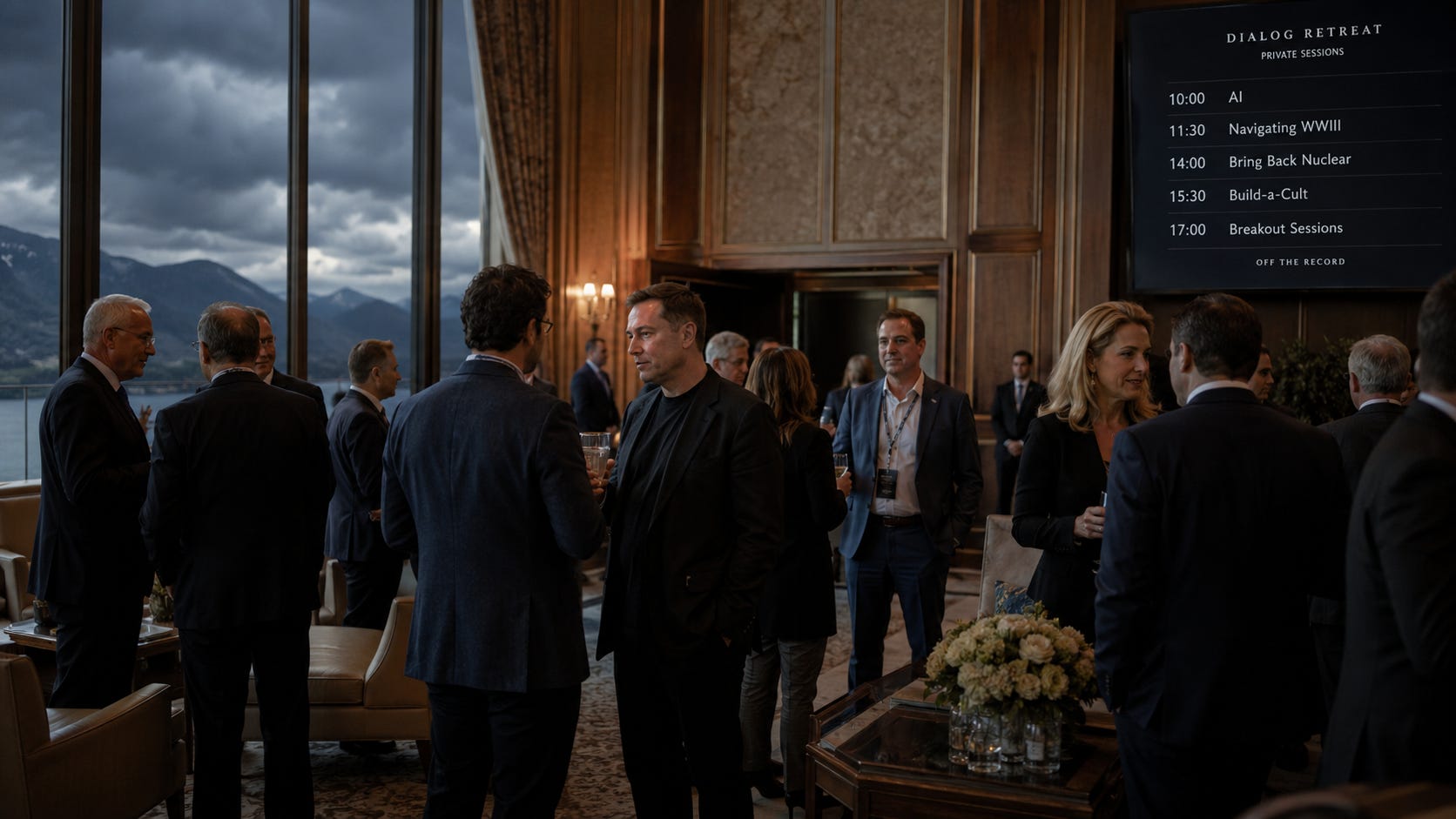
There is something almost too perfect about an elite network populated by surveillance executives, so-called intelligence officials, and technology leaders exposing its own membership through elementary security failures — and then attempting to label the people who noticed as “well known criminals.”
What’s interesting is that the original leak showed that anticipating social breakdown has become a networking opportunity for the parasite class. (The agenda ranged from artificial intelligence, nuclear energy, and preparations for a third world war, to sessions titled “It’s Fun to Be in Charge” and “How’s Your Sex Life?”) But the aftermath shows how much networks like this, and no doubt there are many more, depend on remaining outside public view.
Sunlight may not have destroyed Dialog, but it did something potentially even more consequential: it gave secrecy a reputational cost.