

You’re paying for meat that isn’t there
The Bible warned us about false weights. Walmart ignores the commandment.
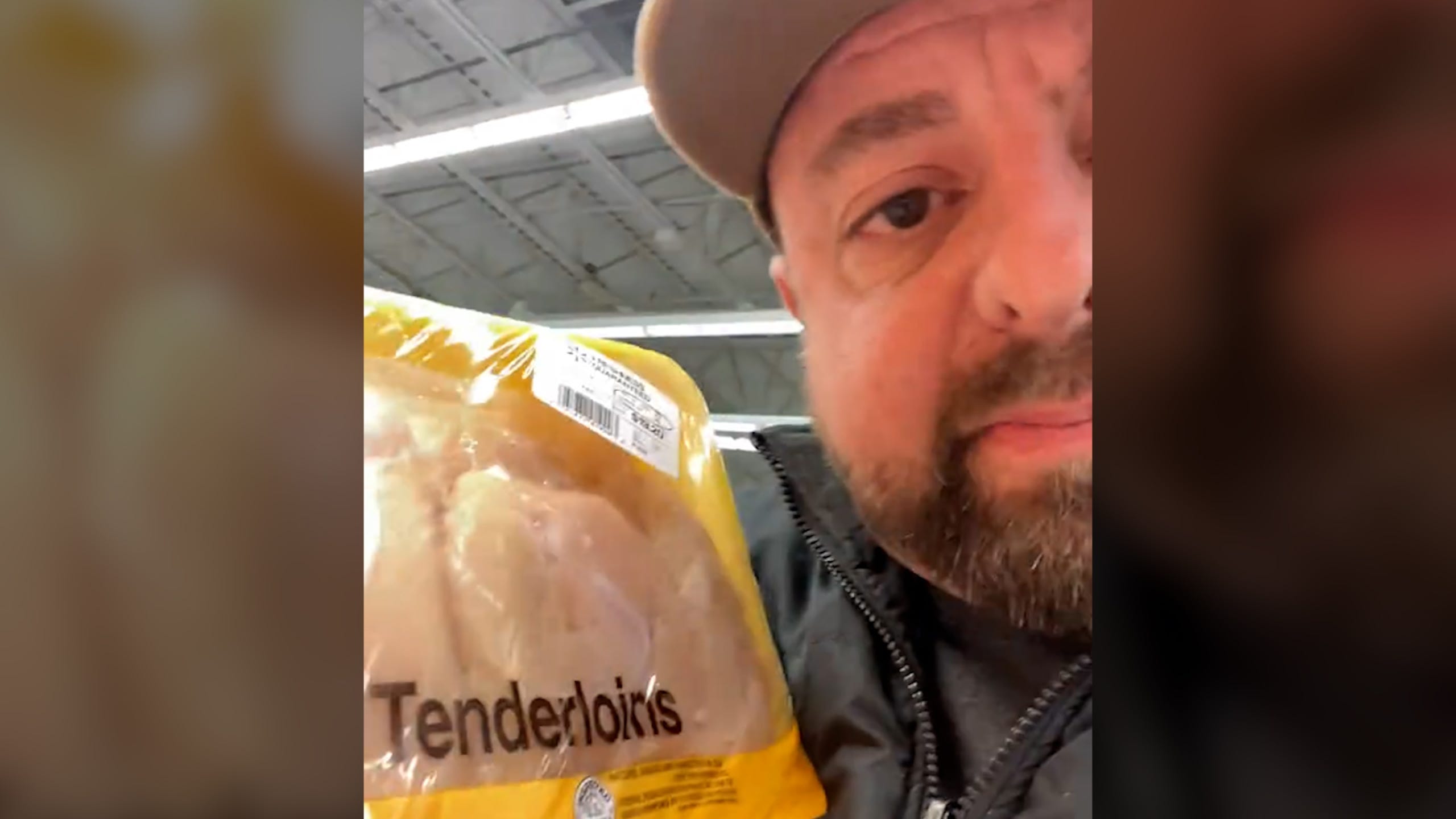
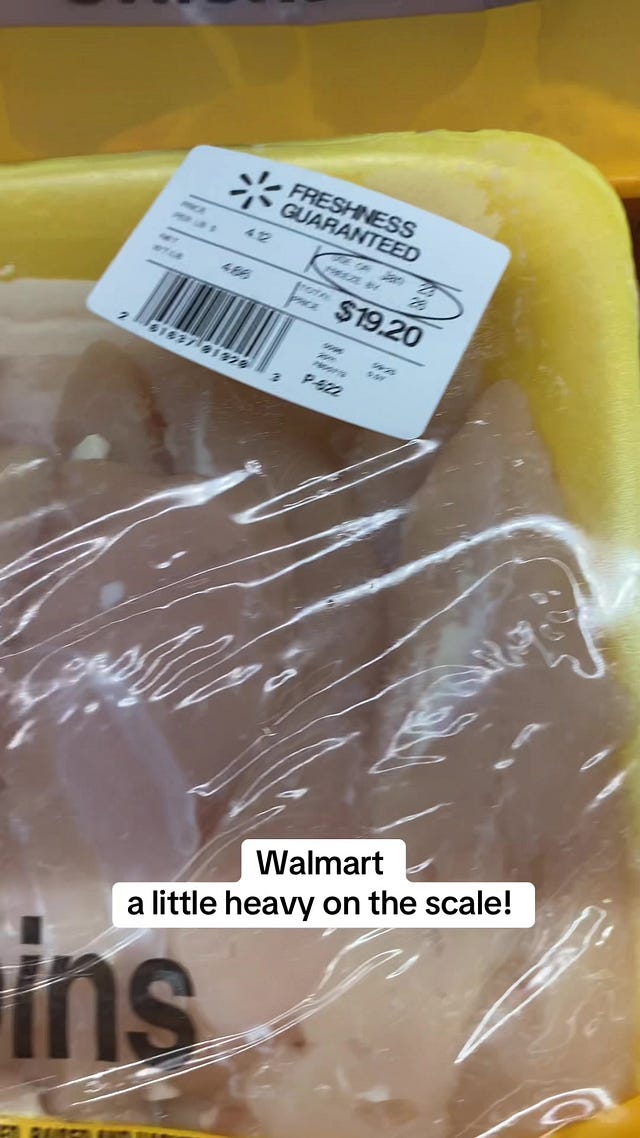
Jimmy Wrigg [@james_wrigg] is a hero you’ve probably never heard of. Since January, he’s been filming himself going into Walmart stores in Georgia, weighing packaged meats on a produce scale, and revealing that time after time, the numbers don’t match. The label says the meat weighs one thing, while the scale says something completely different.
His handful of videos now have tens of millions of views, and people across the country have been following his lead and finding the same thing. Sometimes they’re off by a little. Sometimes, customers are being charged nearly double for meat that simply isn’t there. Funnily enough, the error is never in the customer’s favor.
 Tiktok failed to load.
Enable 3rd party cookies or use another browser
The videos spread because people recognize the dread immediately. ‘This could be happening to me — and I would never notice.’ Most people trust the label, so the truth hits them like a punch to the gut.
In response, Walmart says the error happened at the manufacturer’s end, and one company highlighted in Wrigg’s videos, Kentucky Legend, said the error was limited to a five-minute window on a single production date.
That’s a pretty flimsy cover story, considering five months ago a TikToker named Jo [@hiz_yellow_dirt_road] in New Jersey posted a video of the exact same thing.
If this were a mom-and-pop butcher, the explanation of human error might fly. But this is Walmart — a company that operates on logistics precision down to the minute, and knows exactly how much shrinkage, spoilage, and loss it can tolerate. Not to mention, a company that uses AI-powered cameras in thousands of stores to detect “checkout scanning errors” — like the customers are the ones who are the criminals.
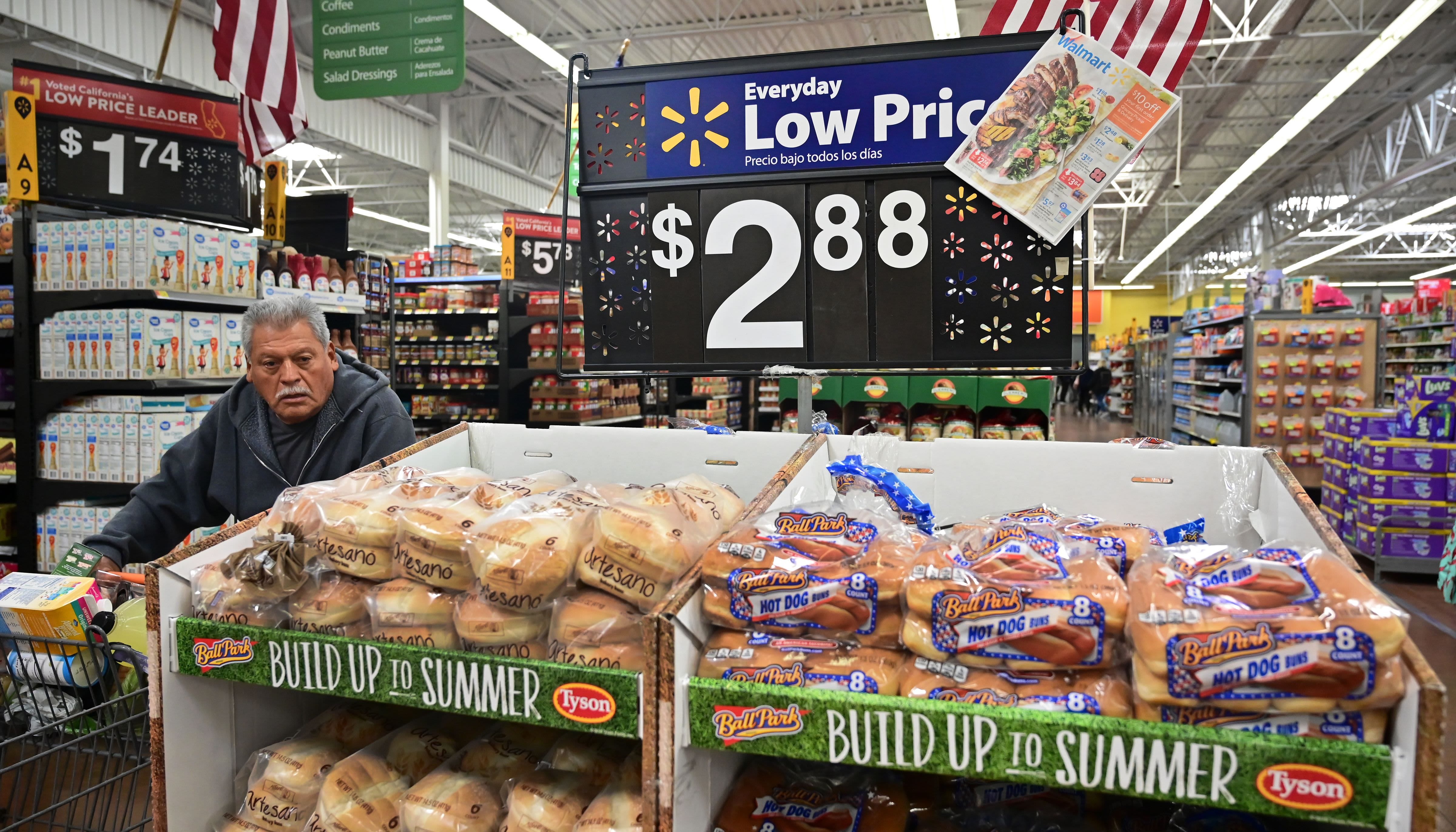
Last year, Walmart paid $5.6 million to settle claims it had overcharged customers through inaccurate pricing and weights. So what Jimmy and Jo and thousands of other Americans have revealed on TikTok isn’t news to the good folks in Bentonville, Arkansas. They already know; they just don’t care. That amount of settlement money is just the cost of doing business for a corporation that is America’s top supermarket, with 20% of the market share in the grocery industry.
What’s really being exposed here is a structure of dependency. Walmart is not just any store. For tens of millions of Americans, it’s the only viable place to buy food for miles. Alternatives like local grocers or farm to table markets have been all but obliterated by industry consolidation, monopolization, and corporate greed.
When customers don’t have a choice, cheating the scale becomes a form of extortion dressed up as retail.
The Bible has something to say about this, and it’s not subtle.
Leviticus 19: 35-36
Do not use dishonest standards when measuring length, weight or quantity.
Use honest scales and honest weights, an honest ‘ephah’ and an honest ‘hin’.
God recognized something modern systems still refuse to admit: once measurements are allowed to lie, society rots from the inside out. When scales are dishonest, power consolidates, trust collapses, and the strong learn how to take without being seen, while the weak learn that survival requires submission.
Walmart doesn’t need to starve people outright. It only needs to shave a little off the scale, deny it plausibly, and absorb the penalties when it gets caught. The harm compounds invisibly, especially for those already living close to the edge.
The Bible’s commandment against false weights exists because God knew that economic corruption doesn’t loudly announce itself as tyranny. It arrives disguised as efficiency, error. Something too small to fight.
What Jimmy Wrigg is revealing stems back to an ancient warning we keep ignoring: once a society permits dishonest measures, it has already decided who matters and who can be quietly consumed.
Ultimately it is Walmart's responsibility but it is hard to say who is actually doing the deed. I seriously doubt that someone at Walmart is doing it themselves. It would be too hard to siphon off the money or sneak hundreds of pounds of product out of the store.
A big part of the way that Walmart cuts expenses is to make the vendors do all the heavy lifting. They expect everything to come in all properly labeled and all they do is put it on the shelf. They would have to pay someone to double check each and every package for weight and the cost would eat into their profits.
It is their vendors who are either intentionally shorting the packages or have a sizeable amount of their product going out the back door without their knowledge.
It is the lack of oversight throughout the supply chain and dealing with bottom tier vendors. The vendors are cutting costs and paying bottom dollar to their workers and somewhere in the mix, somebody figured out a way to supplement their income.
Unless they have to pay fines, Walmart has no reason to even look into it. It is in their interest to make sure that they can pay as little for a product as possible. They won't even look as long as it doesn't cause a problem for them.
That Leviticus excerpt is often used to point out the moral failings of monetary inflation. The fiat system of "money printer go brrrr" is dishonest measurement.