

Why 'collapse' seems to be the hardest word
It's not 'Sorry,' Elton John — it's 'collapse' and it's the word modern societies refuse to say out loud.
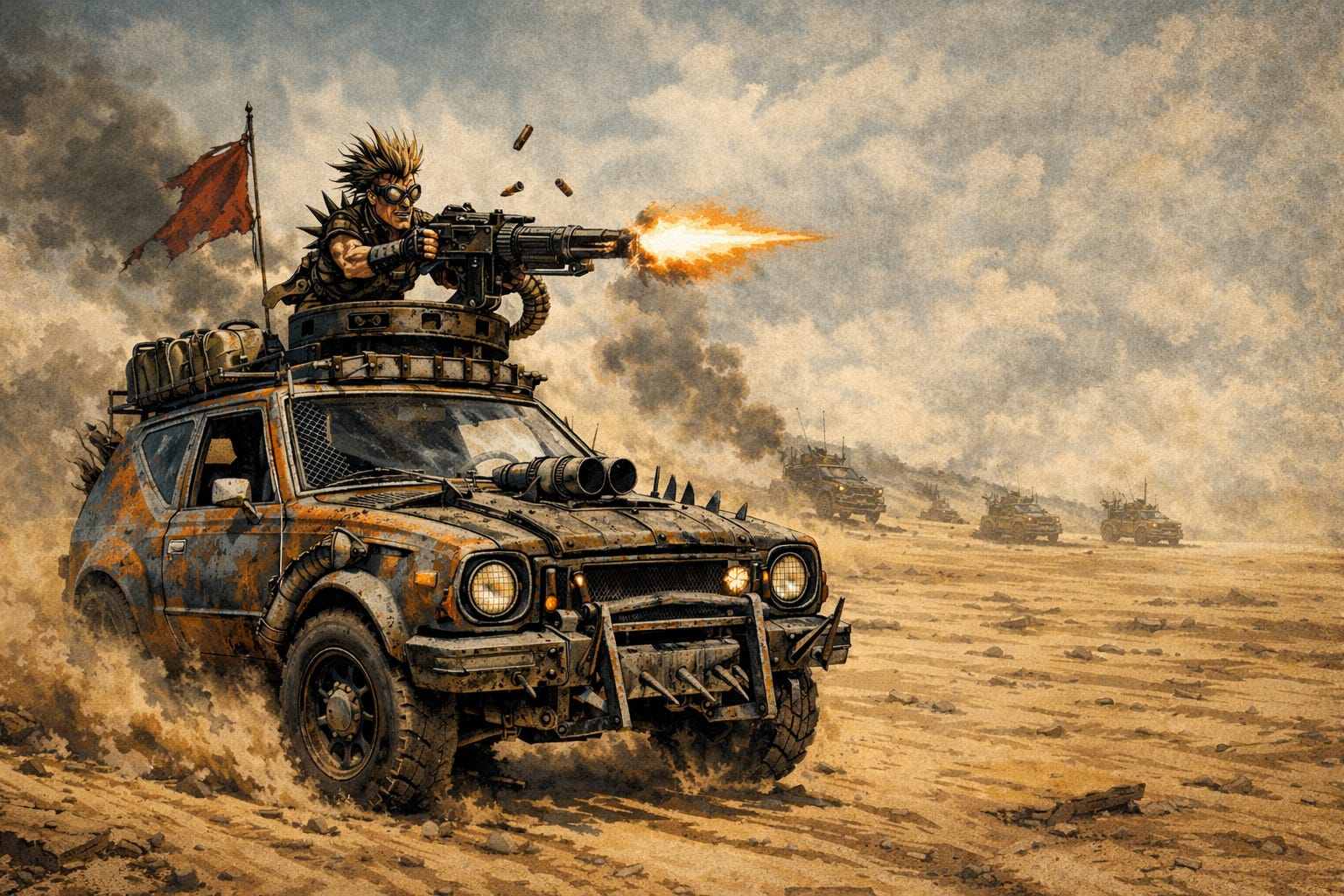
When we launched Collapse Life in 2023, we spent a lot of time explaining what the name meant. That’s because, when people heard the word “collapse” they immediately pictured a Hollywood-style Mad Max breakdown — cities on fire, empty highways, bands of spiky-haired marauders roaming a desolate and parched landscape with nothing but wanton violence on the mind and some apocalyse-adapted AMC Gremlin with a turret on top.
“That’ll never happen,” they thought. “Why bother writing about it?”
As we’ve said on many occasions, that’s not what we mean by collapse. Collapse is what we’re witnessing now: the generally slow (though sometimes abrupt) disruption to systems and infrastructure that we once assumed would always be there. Plus, an incredibly obvious breach of trust of everything — from our leaders, to government agencies purporting to be just fine. They’re not. None of it appears to be unshakable or particularly resilient.
From that perspective, collapse is happening now, in patently obvious ways. Some get it: the government of Sweden just announced that all adults should hold a week’s worth of cash at home so they can buy food, medicine and other essentials in case of war or another crisis.
In a country hell-bent on the moving solely to digital forms of payment, that’s a BIG statement.
Others still don’t get it: people, including family and friends, tell us they don’t read our work because it’s “too depressing.”
They’re not wrong. It is depressing. But it has to be said. Our goal is simply to pay attention to the direction systems are moving and ask what it all means for people who want to remain independent and resilient.
Writing about collapse can be hard work, but we still struggle to understand why people would rather remain blind to it than acknowledge what’s happening. It must be because people don’t want to be reminded that the ground beneath them is so unstable. Accepting that would mean confronting the ugly truth: the institutions they have spent their entire lives trusting (and in some cases, working tirelessly for) — governments, banks, public health systems, supply chains — are at best fragile or, at worst, completely corrupted.
That thought can be very destabilizing, so the human brain does what it has evolved to do for its own protection. Psychologists call this normalcy bias: our tendency to underestimate the possibility of disaster and believe that life will continue as normal, even in the face of significant threats or crises.
We saw this clearly during the early weeks of COVID. Some people stocked up on supplies and prepared for disruptions while others mocked them for “overreacting” — right up until the moment grocery shelves were empty.
Another factor is what sociologists sometimes call system justification: the theory that the status quo must be fair and advantageous, otherwise it would not exist. Most people have built their lives inside existing systems, and have tied their identities to these institutions. If those systems appear fragile, it creates cognitive dissonance, so it’s psychologically easier to dismiss the warning than to re-evaluate the foundation of your life.
In other words, calling what we do “too depressing” is often less about the information we present and more about the emotional cost of taking it seriously.
There is also a cultural factor at play. Nordic countries like Sweden and Finland have long traditions of civil defense culture and governments there talk openly about resilience, stockpiles, preparedness, and infrastructure failure. Citizens grow up with the idea that disruption is possible and preparation is normal.
In the United States and much of the English-speaking world, the cultural narrative has been one of permanent progress — technology advances, markets expand, institutions strengthen, and the people prosper. That narrative makes collapse feel extreme or even unpatriotic, even when the evidence begins to pile up.
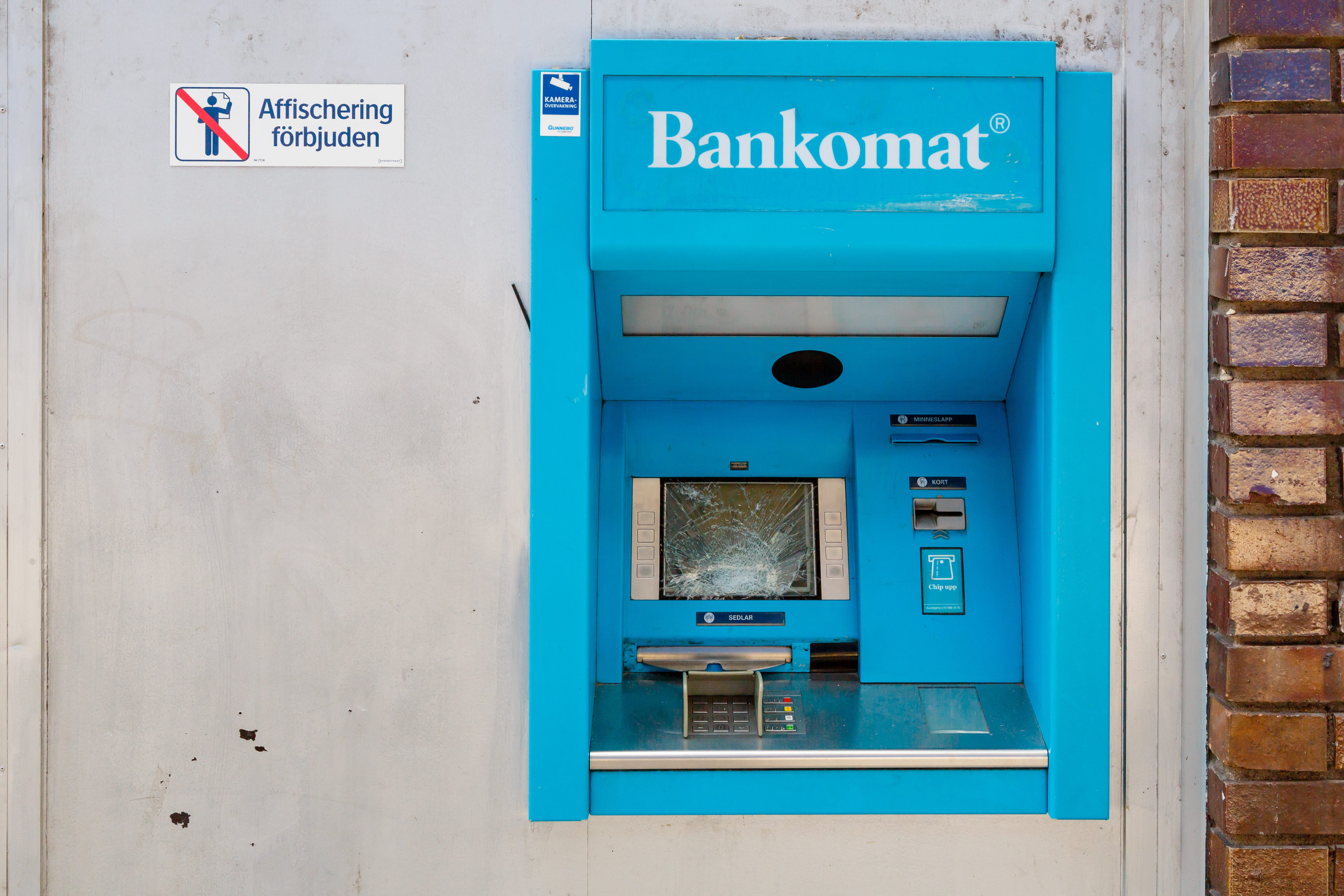
Sweden telling its citizens to keep cash on hand and maintain multiple forms of payment is not a sign that the world is ending. It is a recognition that sh*t happens, and things are more fragile than they appear.
But for many people, the barrier to acknowledging fragility is the inability to let go of the comforting story that systems are permanent and self-correcting.
Collapse Life readers have already crossed that psychological threshold. You’re not here because you enjoy doom and gloom but, like us, once you open your eyes and start paying attention, the signals become difficult to ignore and it becomes impossible to close your eyes to them again.
Better still, the collapse-aware crowd we proudly call our community has begun joining us Sundays for a livestreamed ‘book chat.’ Yes, we talk about a book — often one that is collapse-themed (this week is part two of Neil Howe’s The Fourth Turning Has Arrived) — but more often than not, folks jump on to share their insights, tips, tricks, and strategies for how their preparing.
Please consider joining the chat. And always remember: keep your chin up, it’s only collapse. We can get through it together.
A lot of systems are collapsing due to lack of trust it seems. Once people see and feel the consequences of misplaced trust it becomes very uncomfortable and anxiety sets in. Betrayal is such a hard pill to swallow so It's not too surprising that people will try to deny evidence of it. The problem doesn't go away with denial though, only recognition and the emotional reckoning can lead to a solution. In the realm of vaccines we're seeing, finally, the collapse of major pillar of control, coercion, and wealth for the elites who, until recently, enjoyed a liability free ride to wealth with enough extra to buy the support they needed to maintain a fragile status quo.
Way too many lies were told and too many lives destroyed, and too much truth leaked out for them to stop the reckoning I think.
Gin up! On it!