

Through the fog: making sense of the Venezuela crisis
Before Americans sleepwalk into another foreign crisis, it’s worth examining what’s verifiable, what’s speculation, and what this showdown reveals about the emerging multipolar world.
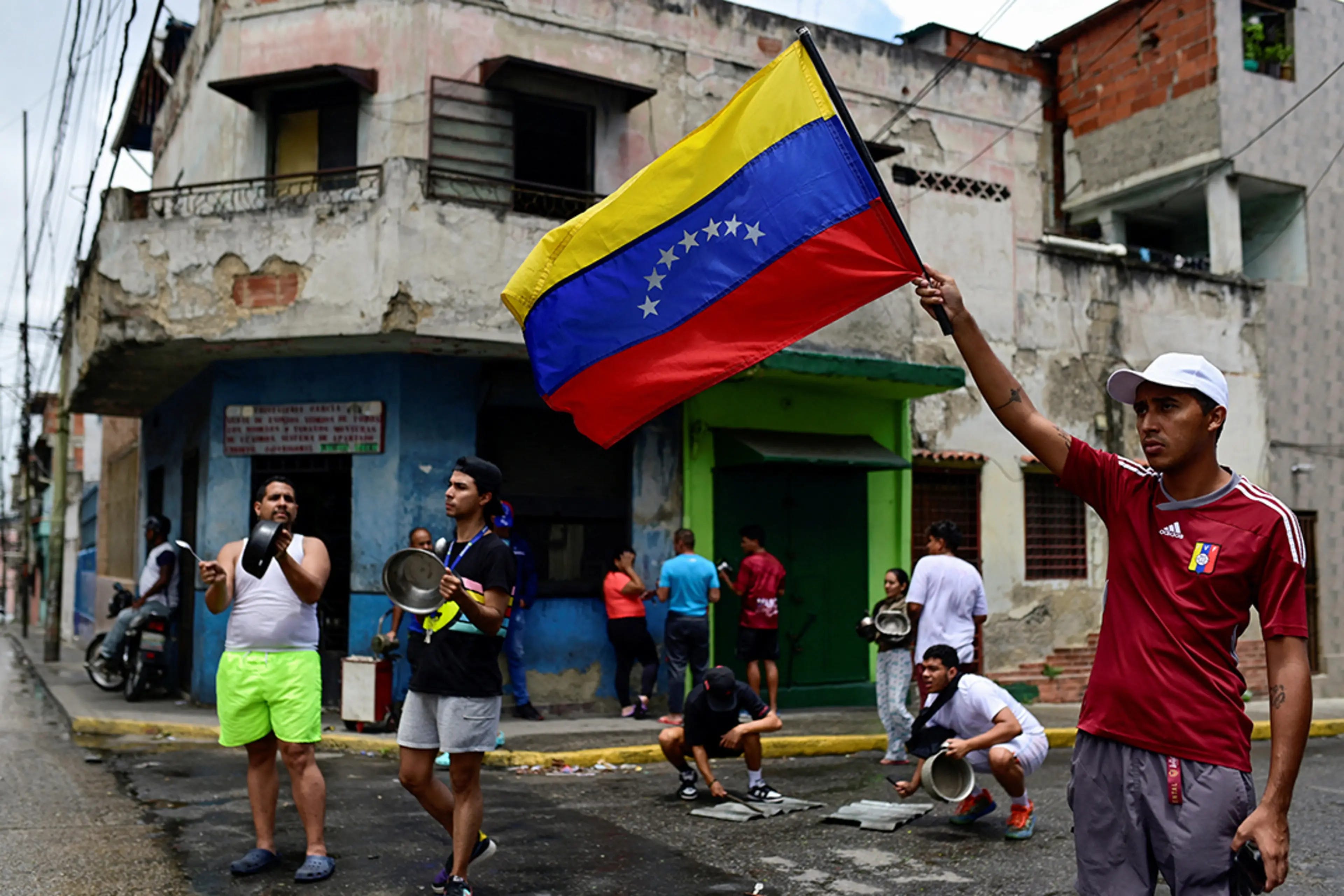
Over the last week, there has been a blur of contradictory headlines, panicked rumors, and nonsensical chest-thumping — enough to make you wonder what is actually going on in Venezuela.
Depending on which corner of the internet you inhabit, you might think Venezuelan President, Nicolás Maduro, has either fled to Brazil, taken refuge in Iran, or is defiantly addressing crowds in Caracas in army fatigues. Some say a US invasion is imminent and warranted, while others claim the whole thing is a staged pretext for a larger and darker chapter yet to come.
This entire confrontation matters to all of us because it touches on the geopolitics of oil, the multipolar shift that’s underway, and the precedent that the is US picking fights with “narco-terrorists” by bombing cigarette boats (just like it bombed weddings in Yemen), and closing airspace that isn’t theirs. If this becomes normalized bellicosity, rest assured it’s a formula to be used in other countries (looking at you for starters, Mexico!).
In such a context, the value of clarity shouldn’t be underestimated, so let’s take a look at what’s verifiably true (from the research we can access), what’s potentially plausible, what remains unproven — and why Americans should be watching closely and carefully.
What we know (or think we know)
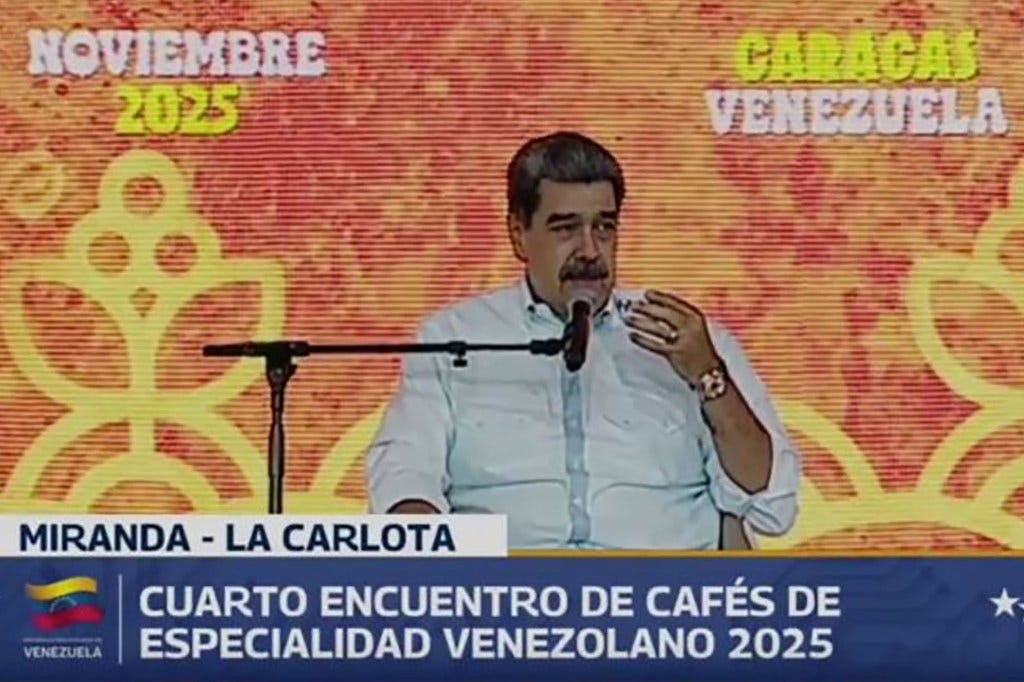
Maduro is still in Venezuela. He appeared publicly on Sunday (for the first time in five days), so we can rule out speculation that he has already fled to Brazil, Iran, or anywhere else. He reportedly presented prizes and gave remarks at a coffee awards ceremony and even led a chant that Venezuela’s economy was “indestructible, untouchable, unbeatable.”
Trump and Maduro talked by phone on November 21. Both sides acknowledge that the call happened. We don’t know the exact transcript of the conversation, but we have a good sense of the outline: Trump delivered an ultimatum; Maduro said, ‘pienso que no'.
The US military has escalated its presence in the Caribbean. A force of 15,000 troops has been mobilized over the past few months, the largest naval flotilla in Latin America since the Cold War. The Navy’s newest and most powerful aircraft carrier is in place, carrying more than 75 attack, surveillance, and support aircraft. There’s a lot of taxpayer money floating in paradise at the moment.
Washington has designated “Cartel de los Soles” as a foreign terrorist organization, a designation that expands Washington’s legal powers for sanctions, seizures, and military action.
The US has been conducting lethal strikes on vessels in the Caribbean. Officially, these are anti-narcotics operations targeting drug-trafficking groups. More than 80 people have been killed since September in these maritime strikes. The most recent has controversy swirling around it thanks to Pete Hegseth’s alleged invective: kill them all.
What’s plausible but unconfirmed (where the fog thickens)
We aren’t sure what exactly Trump and Maduro said to each other. All we have are leaks from anonymous sources, suggesting that Trump reportedly offered safe passage if Maduro left the country and that Maduro allegedly demanded amnesty for himself and dozens of his buddies and family members.
It’s unclear whether Maduro floated a “delayed exit” deal. There are claims — originating largely in Russian and Iranian media — that he suggested he would step down within 18 months. No official sources have confirmed this.
What’s the larger play behind the US airstrikes? Are they really narrowly targeted anti-drug operations, as Washington is framing them, or preparation for regime-change, as Caracas claims? The truth could be a mix of both, or something else entirely.
Some rumors suggest there are internal fractures inside Maduro’s inner circle, or that fissures might be forming within the military.
What is almost certainly spin
“Maduro has already fled the country.” Plane tracking data and gaps in public appearances fueled some online speculation, but his reemergence in Caracas on Sunday seemingly contradicts it. (Hmmmm… unless it was a body double.)
“The US is staging a false flag.” The term “false flag” implies an operation designed to frame someone else. There is no evidence this is happening. Though the US is using terrorism labels and narcotics narratives to broaden its legal authority, that’s not quite the same thing as a false flag. Of course, the pardoning of Honduran ex-president Hernández, who ran a violent drug trafficking conspiracy and helped smuggle hundreds of tons of cocaine to the US, seems paradoxical at best. (Maybe Maduro can get a preemptive pardon, if allegations against him are true?)
“Iranian and Russian troops or assets are on the ground in Venezuela.” Russia has provided military support, advisors, and maintenance/training for Venezuelan forces under longstanding cooperation agreements. Same with the Iranians — Iran maintains “personnel and military advisers” in Venezuela and supplies military hardware. But there’s no evidence for the presence of large-scale forces by either foreign power.
Related to the above point, someone recently suggested “All Russian personnel have been ordered to immediately leave Venezuela.” The best we could come up with is that the Association of Tour Operators of Russia (ATORUS) said Russia is evacuating some Russian citizens/tourists from Venezuela — reportedly from resort-areas such as those on Margarita Island — due to “potential US attack” / tensions with the US. No military mention, however.
What Americans should really be watching
So basically, the information space around this brewing conflict is a hall of mirrors. As always, ‘you know them by their fruits,’ so it’s important to watch what both sides do, not what they say, or what others say they have said.
The first thing to look for is any action that carries a real cost. Moving warships across hemispheres, shutting down airspace, and surrounding coastlines with military hardware are expensive decisions. Amassing assets in the Caribbean sends a much stronger signal than any claim in a late night Truth Social post.
Secondly, watch futures markets. Oil traders are loyal to profits, so when they start pricing-in conflict, they’re saying something in a whisper that officials may not be ready to say out loud.
Next, watch what the rest of the world is doing. If Russia or Iran begin repositioning assets in the direction of Venezuela, we may be staring down World War III. Chances are, this isn’t going to happen. It’s more likely all the experience Russia (and to some extent, Iran) gained in recent conflicts translates into strategic counter-offensives against a belligerent foe using 5th and 6th generation tactics (for more on what that entails, see our recent interview with Armin Krishnan). Still, the geometry of this confrontation could change on a dime in a situation that gets volatile.
And finally: keep an eye on the Venezuelan military itself. If Maduro begins purging officers, shuffling roles, or arresting internal rivals, that’s a sign the pressure on him is starting to bite.
At this point, it seems like the unanswered questions outweigh the answered ones, which is what the fog of war looks and feels like. This is when people want certainty the most, and that’s exactly when being certain about anything becomes dangerous.
The right state of mind is healthy and calibrated skepticism. Read and watch multiple sources carefully (this Zero Hedge story is being regularly updated, for example) and satisfy yourself that you know as much as you can today, and that you’ll update what you know as facts change.
Because ultimately, the only thing that’s certain is that the facts are definitely going to change.
Good read with my morning coffee.
I will be directly affected here in Central America so have been keeping an eye on this situation.
I gather an US navy commanding officer has stepped down or been replaced. Rumors that officers may refuse orders.
There is talk of war crimes being committed. To be seen if anyone is held accountable.
I recall standing in a court room in front of a judge a very long time ago.
I made a half assed excuse. The judge smiled and said "ignorance of the law is no excuse" young man.
I nodded in shame and agreed with him. I agreed to the terms of my sentencing and understand there are consequences for every action. I know the law and the consequences.
There are no excuses for what is happening in Venezuelan international waters.
They say only a drug dealer would run 4 motors on his boat.
I would try and run 6 engines with the fuel price of 0.04 cents USD per liter. No one talks about fuel being near free. I would have my water taxi to the Caribbean islands. I would then load up items and inventory that wasn't easily found in Caracas and sell it for a profit on my return. I in fact would probably sell some of the extra cheap fuel in my boat well on the islands. (Think about this business plan) I'm sure I'm not the 1st to come up with the idea.
I can say that not many narcos are stupid enough to try out running the us navy ATM.
The product is more valuable than the boat or lives in it.
This is concerning , as the drums of war are getting louder. Meanwhile in the UK , you would think the Russians are coming for Christmas. Our tax money is being looted into the Military Industrial Complex and there is much talk of war. This is the only way left to distract whilst ‘they’ pillage and collapse what is left.