

The million-dollar starter home is a eulogy for the American Dream
As the bottom rung of the housing ladder hits seven figures in a record number of US cities, ordinary life is being repriced beyond reach for most people. This is what a K-shaped economy looks like.
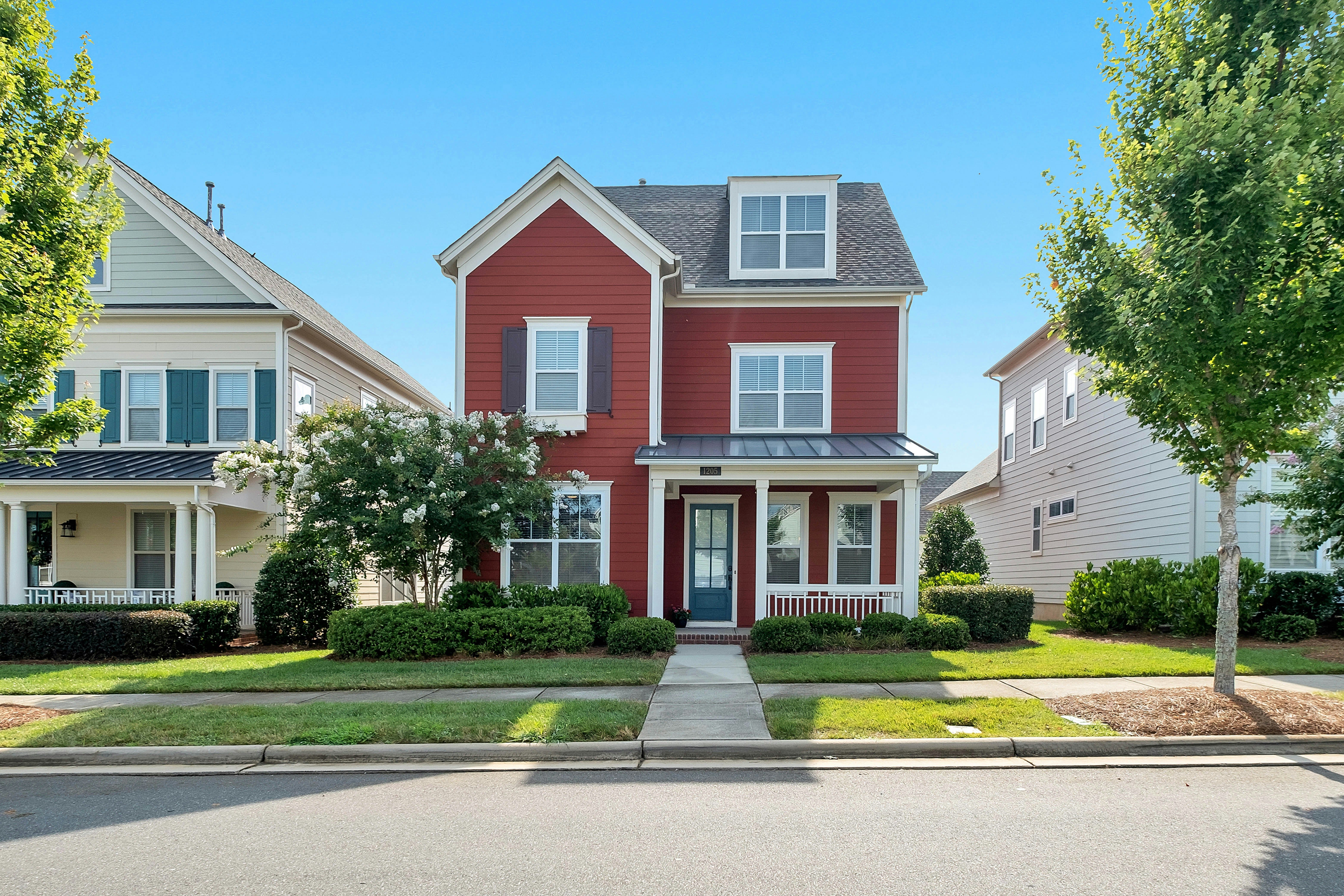
A new Zillow analysis reveals that America has crossed a previously unthinkable threshold: a record 242 US cities now have “starter homes” priced at $1 million or more.
That number has nearly tripled in six years. In February 2020, it was 80.
Starter homes — defined as homes in the bottom third of local market values — used to be the first rung on the housing ladder. They were modest, imperfect, and attainable. It’s how most ordinary families got into homeownership and began building stability and equity.
Nationally, the typical starter home is still worth around $199,000. But in parts of California, New York, and New Jersey buyers now need seven figures just to get on the ladder.

That doesn’t mean Americans have become dramatically wealthier. It means the same basic shelter earlier generations could often afford on ordinary wages now requires extraordinary amounts of today’s diminished dollars.
Housing is where the loss of purchasing power becomes impossible to ignore.
Yes, there are real supply problems. High-demand markets on both coasts have experienced severe supply shortages. The pullback in construction after 2008 left the country wanting for homes. Pandemic-era migration and ultra-low mortgage rates supercharged demand even further. And now, many would-be sellers are locked into low-rate mortgages and unwilling to move, keeping inventory tight.
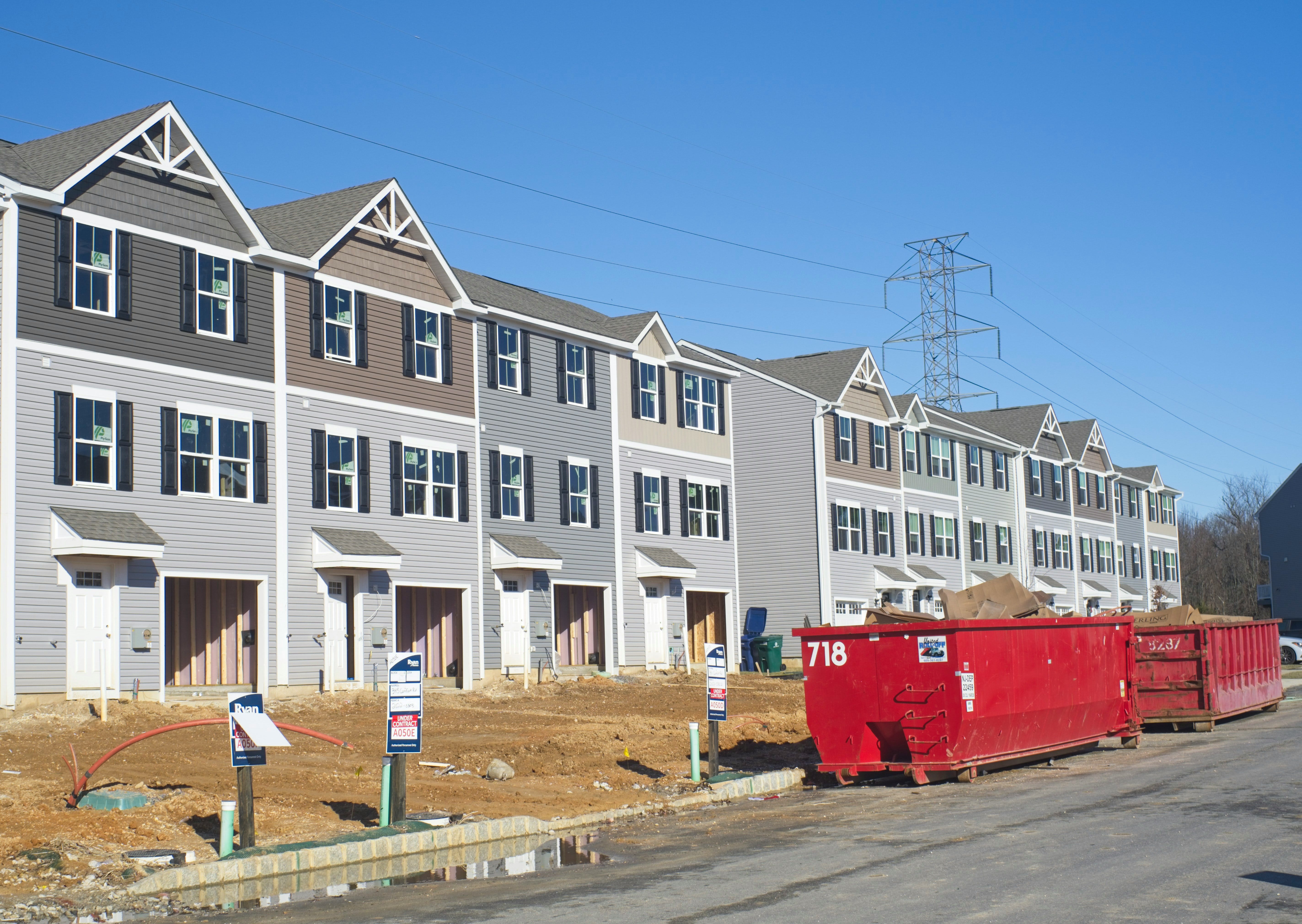
But those explanations do not cancel the larger signal. They help explain why the pressure shows up so violently in housing.
For decades, money printing, artificially low interest rates, and massive stimulus programs pushed an influx of cash into assets like real estate. As the supply of dollars expanded faster than the supply of goods, prices rose. Asset owners benefited, while first-time buyers got buried.
A million-dollar starter home reveals what the dollar has lost: its ability to command the basic building blocks of independence, family formation, and a perfectly run-of-the-mill middle class life.
The consequences are social as well as financial: delayed marriages; fewer children; renting instead of homeownership; reduced mobility; wider intergenerational divides. It’s a downward spiral from which there is no escape.
A million-dollar starter home is not a sign of prosperity, but rather a sign that the cost of entry for ordinary life is now out of reach for ordinary people.
That is what it looks like to watch the American Dream die: it’s a slow and drawn-out death, where things that were once normal are repriced as luxury goods.
I agree with your analysis but it paints a grim picture. It seems to be a world wide phenomenon that is causing a greater divide in wealth classes. I have to wonder where it will lead for the next few generations. Will the population decrease because life is too expensive or will it erupt in crime, war, or totalitarian clampdowns? Homelessness is already rapidly rising in cities and towns, increasing drug use and crime.
The upper class, hoarding wealth, are still insulated from these unpleasantries. They will never give up their advantage until forced to by circumstance. "The great taking" will continue but eventually the economy will have nowhere to go with rampant inflation and unchecked poverty.
There will be a "correction" I think, in the stock market, the housing market, the whole economy. Maybe then the governments, banking cartels, the parasite class, will start to feel the backlash of what they've brought upon us.
Maybe their control will slip and people will get wise.
I'm being optimistic.
The mortgages attached to these homes now leaves the buyer totally exposed to the whims of central banking systems....one good crash sees the Banksters load up with another big slice of American Pie Castles in the sky. If you don't fix the banking mafia you are screwed.