


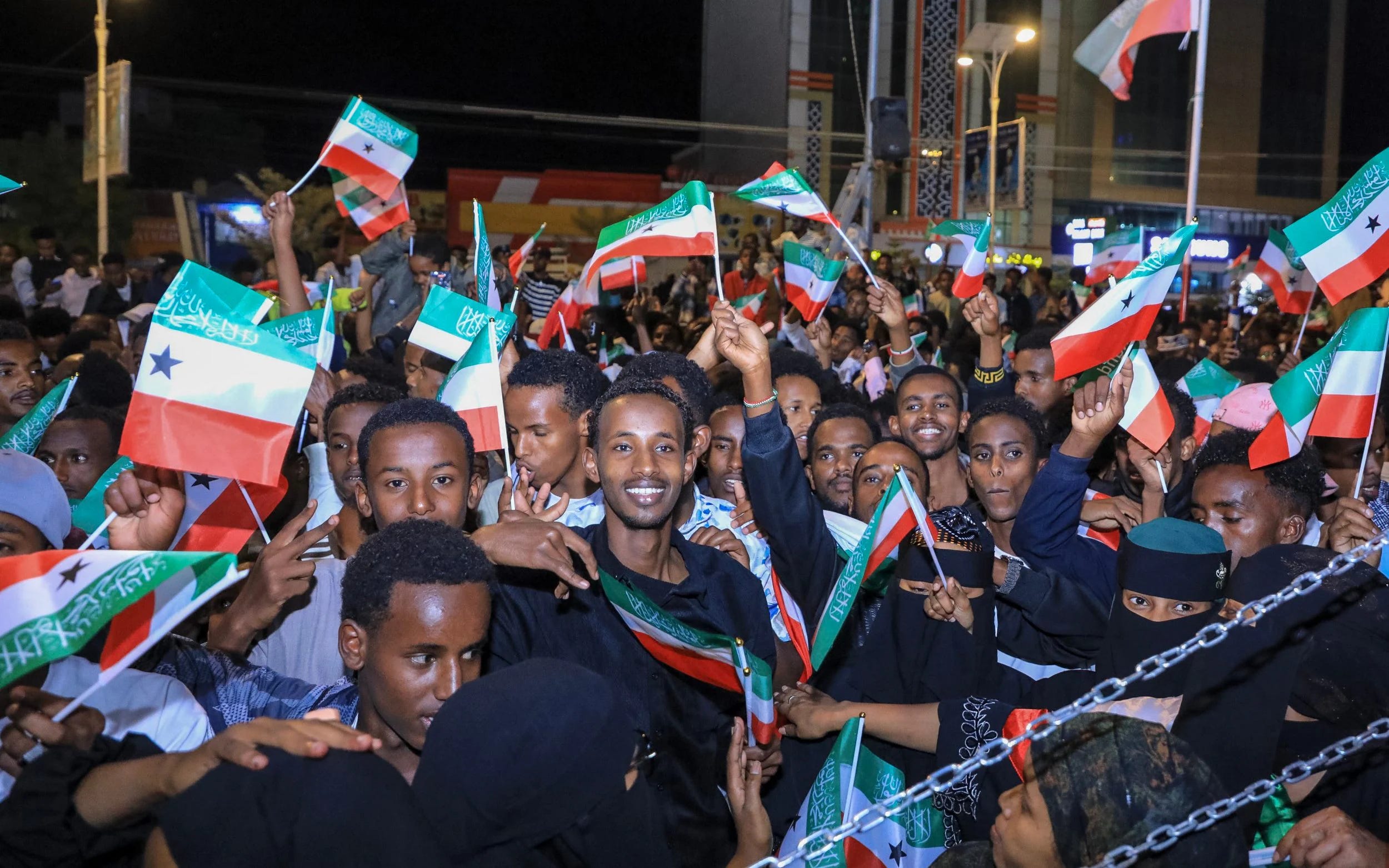
For more than 30 years, the small African nation of Somaliland has existed in an unusual geopolitical space: functionally autonomous, internally governed, and largely ignored by the international globalist system. That is now changing rapidly and dramatically.
Seemingly, out of left field, Somaliland is suddenly grabbing headlines. But the timing of the country’s geopolitical rise to prominence suggests something bigger is at play. Somaliland isn’t just being recognized, it’s being activated.*
This is more important and significant than you might think.
The following Q&A explores the details and motivations behind this newfound attention and why you need to pay close attention.
What (and where) is Somaliland?
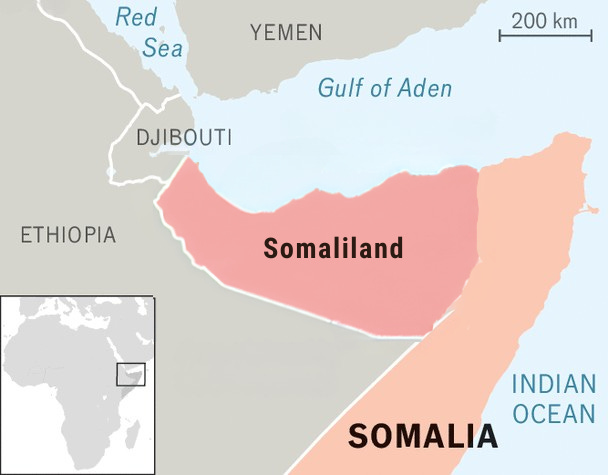
Located in the Horn of Africa, Somaliland borders Djibouti to the northwest, Ethiopia to the south and west, and the rest of Somalia to the east. It is roughly as big as England and Wales combined, has 530 miles of coastline on the Gulf of Aden, and a population of around 4 to 5 million people.
The former British protectorate declared independence from Somalia in 1991, following the collapse of Somalia’s central government. Since then, it has operated with its own elected institutions, security forces, currency, and administrative systems. No member of the United Nations formally recognized it as a sovereign state until December 26, 2025, when the Israeli Foreign Minister, Gideon Sa’ar, announced on X that Israel had officially recognized Somaliland. The move comes at a moment of heightened tension across the Red Sea region.

Somaliland occupies a stretch of coastline along the Gulf of Aden, directly across from Yemen. It lies near the Bab el-Mandeb Strait, a narrow passage connecting the Red Sea to the Indian Ocean and one of the world’s most important maritime chokepoints. A significant share of global trade and energy shipments passes through this corridor each year.
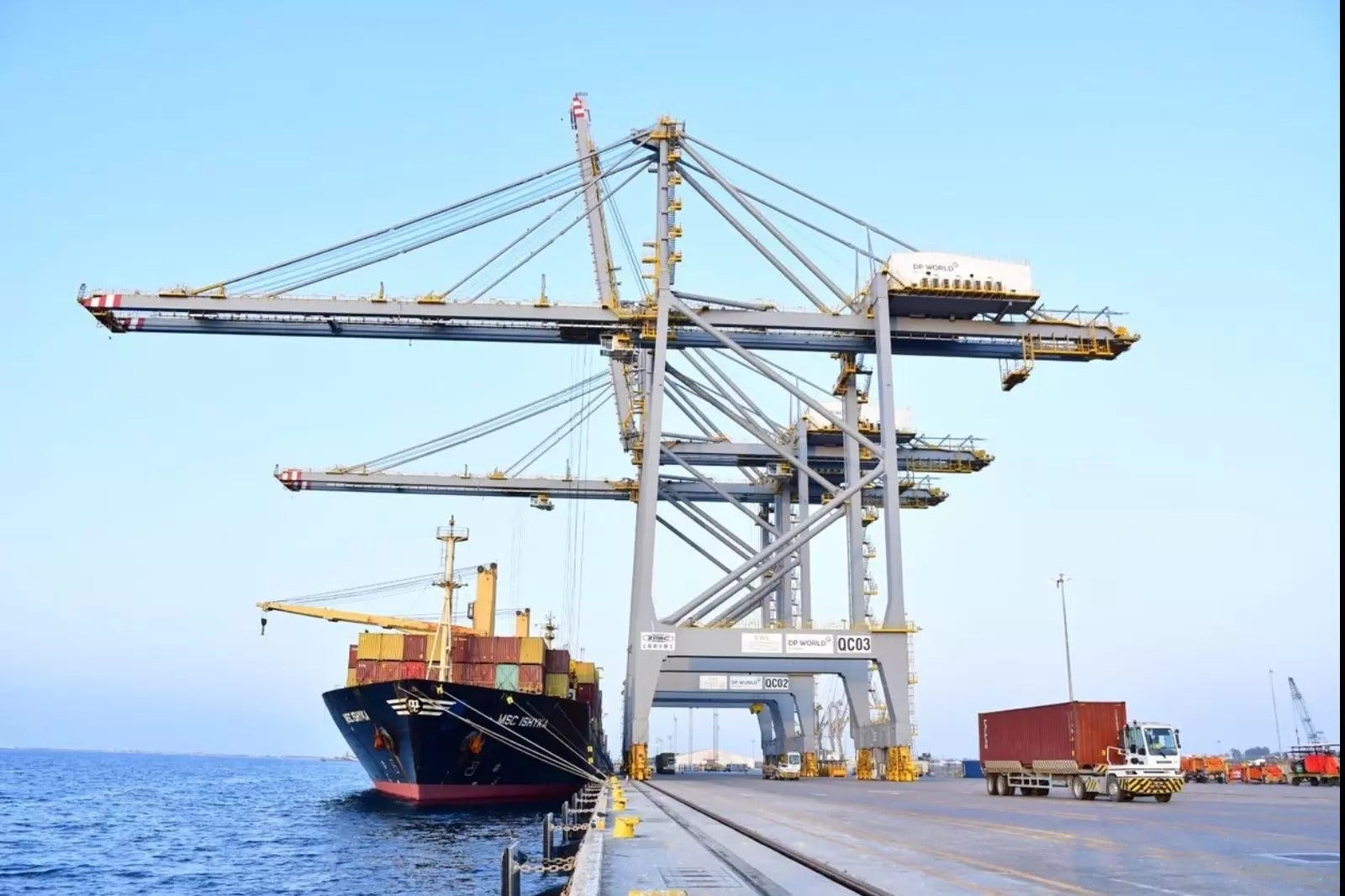
Within Somaliland sits Berbera Port, a deep-water facility that has attracted international interest as congestion, conflict, and geopolitical competition reshape shipping routes elsewhere in the region. Unlike several neighboring ports, Berbera is one of only a few not operated by Chinese state-owned firms, a detail frequently cited in policy discussions.
Why is the move to extend official recognition significant?
Around the same time as Israel’s announcement, Somaliland officials publicly suggested they would consider accepting Palestinian refugees — a proposal explicitly tied to receiving broader international recognition. No formal agreement has been reached and the idea remains speculative, but its emergence highlights how humanitarian crises may be repurposed into bargaining currency.
The proposal surfaced amid continued displacement from Gaza and a wider search for resettlement options, particularly those that sit outside existing regional fault lines. If successful, it would relocate a politically volatile population far from Israel’s borders and create a “third space” that defuses pressure without the need to resolve the conflict.
How has the rest of the world reacted to this move?
Somalia’s federal government has rejected any recognition of Somaliland, maintaining that it remains an integral part of Somali territory. This week, Egypt’s Foreign Minister called for an emergency session of the African Union Peace and Security Council to reject recognition, describing Israel’s move as “a flagrant violation of international law, the UN Charter, and the Constitutive Act of the African Union.”
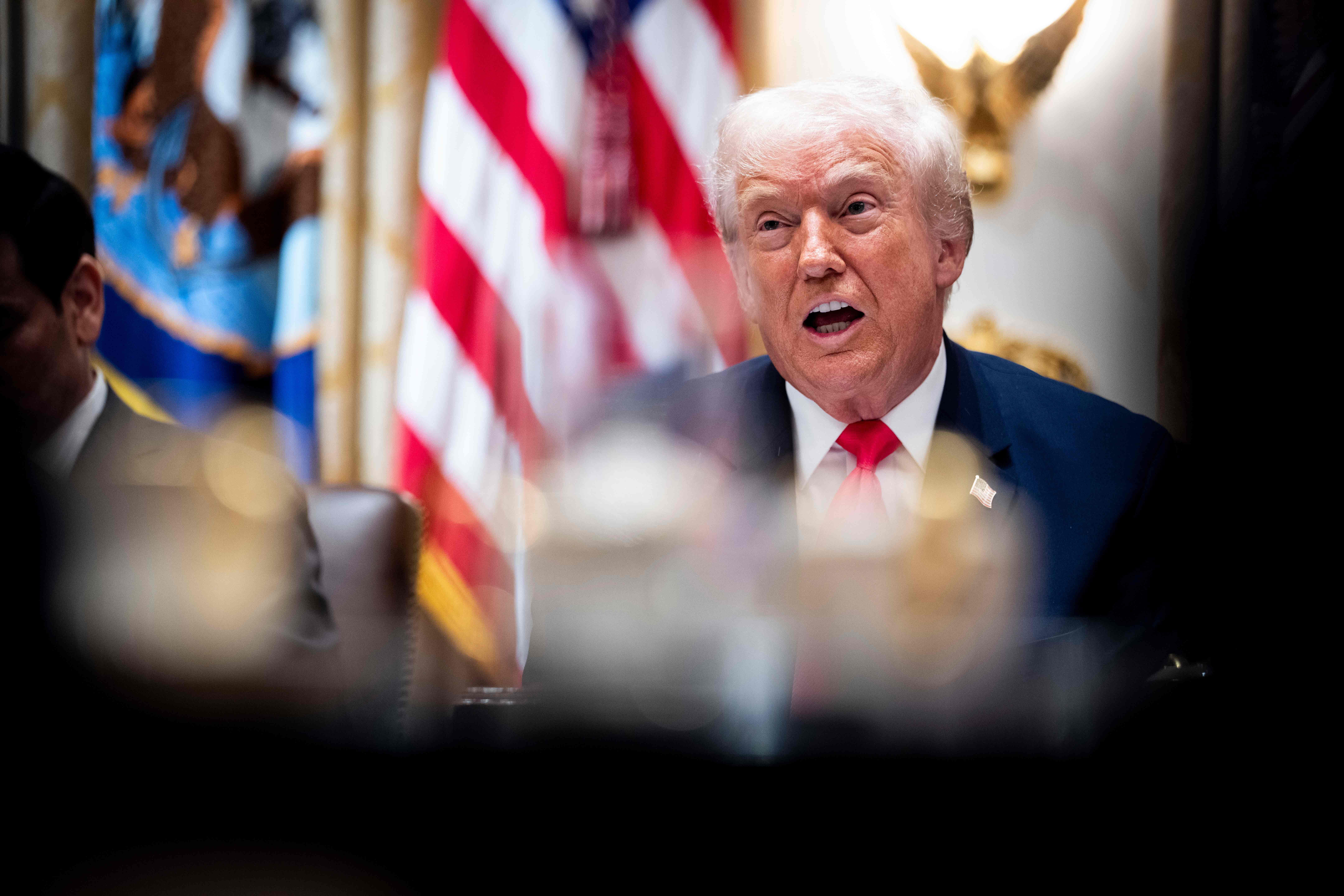
The United States government has not made a formal statement on the situation, with President Donald Trump asking, “Does anyone know what Somaliland is, really?” while speaking from his golf course in West Palm Beach.
The US-based Heritage Foundation, which has significant influence over the Trump administration, published a report in 2021 recommending formal recognition of Somaliland. The report presents recognition as a strategic counterweight to China’s growing influence across African infrastructure and port development.
China maintains a military base in nearby Djibouti and has invested heavily in ports and logistics throughout the Horn of Africa, making control of maritime access a recurring concern in Western policy circles. China has publicly opposed international recognition of Somaliland, warning against support for separatism, and reaffirming Somalia’s territorial integrity.
The United Kingdom, Somaliland’s former colonial administrator prior to 1960, has funded governance, development, and security initiatives in the region for more than a decade. Britain has generally framed its involvement in terms of stabilization, counter-piracy efforts, and development support, rather than endorsements of independence. But in an April 2025 article, investigative journalist Kit Klarenberg described Somaliland as “a modern day British colony,” and says if Palestinians were relocated there against their will, “they would be entombed in yet another open air concentration camp, under the watchful eye of British-trained local security forces with a propensity for extreme violence.”

How does US domestic politics intersect with this?
President Donald Trump has been publicly targeting Somali-American communities in Minnesota recently, amid investigations into alleged fraud involving aid and pandemic relief programs. Minnesota hosts the largest Somali diaspora in the United States.
More than just culture-war noise, this targeting may serve a number of important strategic purposes, namely: delegitimizing Somalia-linked networks domestically, softening public resistance to sidelining Somalia internationally, and aligning diaspora narratives with foreign policy goals. While the domestic and foreign policy tracks are formally separate, both reflect heightened attention to Somali-linked networks, governance, and accountability. All are ripe for narrative manipulation.
Why does all this matter?
For years, Somaliland was treated as a curiosity — a functioning polity without a seat at the table. Now it is being discussed as a strategic asset, a diplomatic bargaining chip, and a potential pressure valve for larger conflicts. That shift says as much about the instability of the current order as it does about Somaliland itself. When long-ignored territories suddenly attract intense interest, it is usually because the systems around them are under strain — and because the map is being reconsidered, one quiet adjustment at a time.
* Hat tip to The Grayzone for reporting on the idea that Somaliland might one day feature prominently in geopolitics, starting with this story from 2019. In it, the publication references a 2008 New York Times opinion piece co-written by then-“management consultant” and fellow at the Truman National Security Project, Pete Buttigieg. Turns out, the future wannabe President of the United States and eventual Secretary of Transportation happened to be a “tourist” in Somaliland, declaring it an incredible bastion of democracy and civil rights. Are you smelling what we’re smelling? Something stinks about everything we’re seeing unfold around this story. Watch what happens, including narrative control, with profound skepticism as we march toward heightened tensions and possible conflict in the region.
You mean tourist Mayor Pete, who was a Harvard graduate and an Oxford Rhodes Scholar, Naval Intelligence Officer and special forces in Afghanistan, oh, that tourist Buttigieg. Yeah, nothing to see here.
I haven't heard much about Somaliland before but I'm curious now. What you said about narrative control is concerning though. The location Is strategic and I worry that it may be used by other powers to gain advantage, in an underhanded way.